

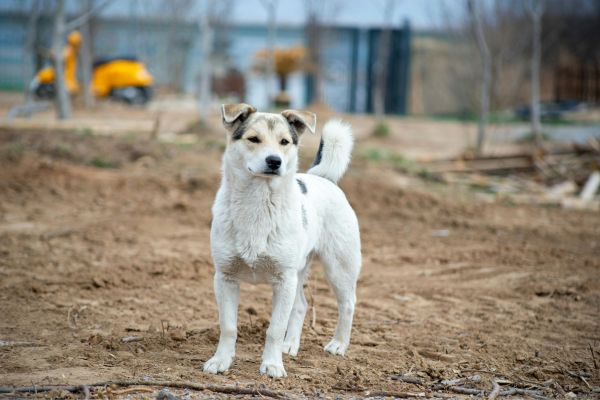
A farm runs on rhythm. Gates open at dawn, animals need feeding, fences need checking, weather shifts without warning, and work rarely follows a neat schedule. In that demanding environment, a good dog can become far more than a pet. The right farm dog may help move livestock, guard property, alert owners to trouble, or simply provide steady companionship through long days outdoors.
That is why interest in working dog breeds for farms remains strong. Certain breeds were developed over generations for stamina, intelligence, independence, and partnership with people in rural settings. They often thrive when given meaningful tasks and room to use their instincts.
Not every farm needs the same type of dog. Some need a skilled herder. Others need a livestock guardian. Some need an all-around helper with adaptability and common sense. Choosing well matters.
What Makes a Good Farm Dog
Farm work asks for more than obedience. A suitable dog often needs endurance, weather tolerance, trainability, awareness, and confidence without recklessness.
Many farm dogs also need to think independently. A handler cannot supervise every second across fields, barns, and pasture. Good judgment becomes valuable.
Temperament matters too. A dog that panics easily, becomes bored quickly, or shows poor livestock manners may struggle despite impressive energy.
The best farm dogs usually combine instinct with steady nerves.
Herding Dogs and Guardian Dogs Are Different
When discussing working dog breeds for farms, it helps to separate two major roles.
Herding dogs move animals under direction. They gather sheep, drive cattle, block movement, and respond closely to handlers.
Guardian dogs protect livestock from predators or intruders. They tend to live near animals, remain calm, and make independent decisions about threats.
Some farms use both types because the jobs are completely different.
Border Collie
Border Collie is often considered one of the finest herding breeds in the world. Known for intelligence, responsiveness, and intense work drive, it excels at gathering and directing sheep or other stock.
These dogs learn quickly and often seem to anticipate tasks. Their energy, however, is substantial. Without work or advanced mental stimulation, they can become frustrated.
On active farms where training and tasks are available, Border Collies can be extraordinary partners.
Australian Cattle Dog
Australian Cattle Dog was developed for driving cattle across difficult terrain. Tough, alert, and durable, the breed is known for stamina and determination.
They often form strong bonds with owners and can be deeply loyal. Their natural assertiveness means early training and clear structure are important.
For cattle-focused farms, they are frequently admired for grit and resilience.
Australian Shepherd
Despite the name, Australian Shepherd became strongly associated with ranch work in the United States. Agile, energetic, and eager to learn, the breed handles herding duties while also fitting into active family life when properly exercised.
They tend to enjoy involvement in everything happening around them. Idle isolation rarely suits them.
Aussies often appeal to farms wanting versatility and close partnership.
Great Pyrenees
Great Pyrenees represents a different category: livestock guardian work. Calm, powerful, and naturally protective, the breed has long been used to guard sheep and goats.
Rather than herding animals, Great Pyrenees often stay with the flock and monitor surroundings. Their patience with livestock can be excellent, while their independence can challenge owners expecting constant obedience.
For predator pressure in rural areas, guardian breeds can be invaluable.
Anatolian Shepherd
Anatolian Shepherd Dog is another respected guardian breed known for strength, alertness, and territorial awareness.
These dogs were bred to make decisions in demanding conditions. That independence is an asset in the field but requires experienced handling and secure management.
They are not casual suburban pets in a farm costume. They are serious working animals best matched carefully.
Maremma Sheepdog
Maremma Sheepdog is widely valued for livestock protection, especially with sheep and goats. Steady temperament and close bonding with stock make the breed attractive to many smallholders and larger operations alike.
Like other guardian breeds, success depends on correct socialization with animals and thoughtful management from an early age.
When matched properly, they often become deeply reliable.
Labrador Retriever as an All-Around Farm Companion
Labrador Retriever is not primarily a herding or guardian breed, yet many farms appreciate Labradors as practical all-purpose companions.
They may retrieve, accompany workers, alert to visitors, adapt to family life, and handle varied daily routines with enthusiasm.
Not every farm dog must move sheep dramatically across hills. Sometimes dependable versatility wins.
Jack Russell Terrier and Rodent Control
Smaller breeds can still earn their keep. Jack Russell Terrier has a long reputation for energy, boldness, and pest control instincts.
Barns, feed stores, and grain areas may attract rodents, and terriers historically served useful roles there.
Their drive is intense, though, so channeling that energy appropriately matters.
Temperament Matters More Than Reputation
Even within great working dog breeds for farms, individuals differ. Some dogs have stronger drive, calmer nerves, or better stock sense than others.
A famous breed name does not guarantee suitability. Responsible breeders, rescue assessments, lineage knowledge, and honest conversations about temperament can matter as much as breed choice.
The right dog is often the right individual first.
Training Is Essential
Instinct helps, but training shapes usefulness.
A herding dog needs commands, boundaries, recall, and controlled introductions to livestock. Guardian dogs need proper bonding with animals, fencing awareness, and clear handling during development.
Untrained energy can create chaos quickly on a farm. Good training protects animals, people, and the dog itself.
Lifestyle Beyond Work
Farm dogs still need humane care, veterinary support, shelter, nutrition, rest, and positive relationships with people.
Some romanticize working dogs as tireless machines. In reality, they are living beings with physical and emotional needs.
The strongest workers often come from environments where they are respected, not merely used.
Matching Dog to Farm Type
A sheep farm with open acreage may need something very different from a hobby farm with chickens and a vegetable patch. Predator pressure, climate, fencing, livestock species, handler experience, and family environment all matter.
Too much dog can be as problematic as too little dog. An intense high-drive herder may be miserable without enough work. A giant guardian breed may be unnecessary in some settings.
Good matching prevents frustration on both sides.
The Bond Between Farmer and Dog
There is a reason farm dogs are remembered for years. Shared routines build trust quietly. The dog learns gates, paths, moods, sounds, and seasons. The owner learns posture changes, warning barks, and the difference between play energy and work focus.
That relationship often becomes one of the most rewarding parts of rural life.
Conclusion
The best working dog breeds for farms include herders like Border Collie and Australian Cattle Dog, guardians like Great Pyrenees and Anatolian Shepherd Dog, and adaptable helpers such as Labrador Retriever. Each brings different strengths, and no single breed suits every property.
Choosing wisely means understanding the work, the environment, and the commitment involved. When those pieces align, a farm dog becomes more than assistance. It becomes part of the land’s daily story.