

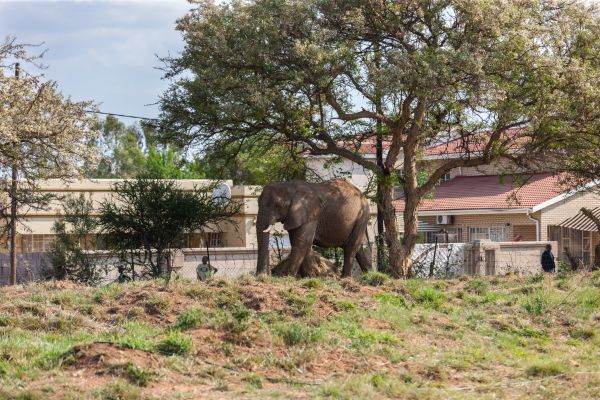
Human-wildlife conflict is one of the most difficult conservation challenges of our time because it sits right where human survival and animal survival meet. It is not simply a story of wild animals “invading” villages or people “destroying” nature. In most cases, it is a much more complicated situation shaped by shrinking habitats, growing human populations, farming needs, climate pressure, and the natural movement of animals searching for food, water, and safe breeding grounds.
Across the world, people living near forests, grasslands, wetlands, rivers, and mountains often share space with elephants, big cats, bears, wolves, monkeys, crocodiles, wild boars, and many other species. Sometimes that shared space remains peaceful. At other times, it leads to damaged crops, lost livestock, injured people, and animals being killed in retaliation. This is what makes human-wildlife conflict such a sensitive issue. Both sides are trying to survive, but the space between them is becoming smaller.
What Human-Wildlife Conflict Really Means
Human-wildlife conflict happens when the needs or behavior of wild animals negatively affect people, or when human activities harm wildlife. It can be as visible as an elephant destroying a farmer’s field overnight, or as quiet as a leopard losing its hunting territory because a road cuts through its habitat.
The word “conflict” can sometimes make the problem sound like animals are intentionally acting against people. In reality, wild animals are usually following instinct. They move where food is available. They search for water during dry seasons. They protect their young. They follow ancient migration paths, even when those paths now cross farms, roads, villages, or cities.
For people, however, the damage can feel deeply personal. A single night of crop loss may mean months of hardship for a family. One livestock attack can reduce a household’s income. Fear also matters. When people feel unsafe walking to school, collecting firewood, or working in the fields, wildlife becomes a source of anxiety rather than wonder.
Why Human-Wildlife Conflict Is Increasing
One major reason behind human-wildlife conflict is habitat loss. Forests are cleared for farming, housing, mining, roads, and commercial development. Grasslands are converted into settlements. Wetlands are drained. As natural habitats shrink, animals are pushed closer to human communities.
Population growth also plays a role. More people need more land, more food, and more infrastructure. In many regions, villages expand toward protected areas, and farms reach the edges of forests. This creates a border zone where wildlife and people meet more often.
Climate change is making the problem even harder. Droughts can dry up natural water sources, forcing animals to move into farms and villages. Changing rainfall patterns can affect the growth of wild plants, leaving animals with fewer natural food options. In some areas, extreme weather events disturb migration patterns and push wildlife into unfamiliar places.
Another factor is the fragmentation of habitats. Even where some natural areas remain, they may be broken into small patches by roads, fences, railways, or towns. Animals that once moved freely across large landscapes now face barriers. When movement becomes difficult, they may enter human areas simply because there is no safe path left.
The Cost for Local Communities
For communities living close to wildlife, the impact of conflict can be heavy. Crop damage is one of the most common problems. Elephants, deer, wild boars, monkeys, and birds may feed on crops, sometimes destroying a large portion of a field in a single visit. For farmers who depend on seasonal harvests, this is not a small inconvenience. It can affect food security, school fees, debt repayment, and basic household needs.
Livestock loss is another serious issue. Predators such as lions, wolves, leopards, hyenas, and bears may attack goats, sheep, cattle, or poultry, especially when natural prey is scarce or livestock is left unprotected. For pastoral communities, animals are not just property. They represent wealth, status, food, and long-term security.
There is also emotional stress. People who live near dangerous wildlife may sleep lightly, guard fields at night, or keep children indoors after dark. In places where attacks on humans occur, fear can shape daily routines. Over time, this fear can turn into anger, especially if people feel ignored by authorities or conservation groups.
The Cost for Wildlife
Wild animals also pay a serious price. When conflict rises, animals are often injured, trapped, poisoned, relocated, or killed. Retaliation is one of the biggest threats to many species, especially large carnivores and crop-raiding animals. A tiger that attacks livestock, an elephant that damages crops, or a wolf that comes too close to a village may quickly be seen as a problem animal.
Even when animals are not killed, conflict can disturb their natural behavior. They may avoid important feeding areas, move at night to escape people, or become trapped in smaller habitats. Roads and fences can separate animals from breeding groups, reducing genetic diversity over time.
For endangered species, these losses are especially serious. When a population is already small, every animal matters. Human-wildlife conflict can quietly undo years of conservation work if local communities do not feel supported and protected.
Agriculture and the Changing Edge of Wilderness
Farming is often at the center of human-wildlife conflict because agriculture and wildlife both depend on land. Fertile land near rivers, forests, or grasslands is attractive to farmers, but it is also attractive to animals. Crops like maize, rice, sugarcane, bananas, and fruit can become easy food sources for wildlife.
The edge between farmland and wilderness is rarely a clean line. It is usually a living, shifting boundary. Animals cross it because they do not understand property limits. Farmers defend it because their livelihoods depend on it. This makes the agricultural frontier one of the most important places to focus on practical solutions.
Simple prevention methods can sometimes make a big difference. Strong fencing, watchtowers, guard animals, chili barriers, beehive fences, noise deterrents, and better crop storage can reduce damage in certain areas. But no single method works everywhere. What scares one species may not affect another. What works for one village may be too expensive or impractical for another.
Urban Growth and Wildlife Encounters
Human-wildlife conflict is not limited to remote villages. It is increasingly seen near towns and cities too. As urban areas expand, animals such as monkeys, foxes, coyotes, wild boars, bears, and birds adapt to human environments. Garbage, gardens, pet food, and open markets can attract wildlife into neighborhoods.
Some animals become comfortable around people, which may look charming at first but often creates problems later. Feeding wildlife, intentionally or accidentally, can make animals lose their natural caution. Once animals begin to associate people with food, encounters become more frequent and sometimes more dangerous.
Urban planning has a role here. Green spaces, waste management, wildlife crossings, secure garbage systems, and public awareness can reduce unnecessary conflict. Cities are part of nature too, whether people notice it or not.
Conservation Must Include Local People
One of the biggest lessons in managing human-wildlife conflict is that conservation cannot succeed by ignoring the people who live closest to wildlife. It is easy for someone far away to say that animals must be protected. It is much harder for a farmer who has lost a harvest, or a family that feels unsafe at night, to accept that message without support.
Local communities need to be part of the solution from the beginning. Their knowledge of animal movement, seasonal patterns, risky areas, and practical challenges is often more detailed than outside experts realize. When communities are respected, solutions are more realistic.
Compensation schemes can help, especially when they are fair, fast, and transparent. If people are paid for verified crop or livestock losses, they may be less likely to retaliate against wildlife. However, compensation alone is not enough. It must be paired with prevention, education, emergency response, and long-term livelihood support.
Practical Solutions That Can Reduce Conflict
Solving human-wildlife conflict requires a mix of science, local knowledge, and patience. Wildlife corridors are one important solution. These are protected pathways that allow animals to move safely between habitats without crossing farms or settlements as often. Corridors can reduce dangerous encounters and keep animal populations healthier.
Better land-use planning is also essential. When roads, farms, and settlements are planned without considering wildlife movement, conflict becomes almost guaranteed. Mapping animal routes before development begins can prevent many problems later.
Livestock protection can reduce predator attacks. Strong night enclosures, herding practices, guard dogs, and avoiding grazing in high-risk areas can make a difference. For crop protection, communities may use fencing, early-warning systems, crop choices that are less attractive to wildlife, or coordinated guarding.
Education matters too. People need clear information about how to behave around wildlife, how to avoid attracting animals, and who to contact during emergencies. At the same time, education should not sound like blame. Communities often already understand wildlife very well. The goal should be shared safety, not lectures.
Technology is becoming useful in some places. Camera traps, GPS collars, mobile alerts, drones, and mapping tools can help track animal movement and warn communities before conflict happens. Still, technology should support local systems, not replace them.
Finding Balance in Shared Landscapes
The future of human-wildlife conflict depends on whether humans can learn to share landscapes more wisely. This does not mean expecting people to accept danger or loss. It means designing systems where both people and wildlife have room to live.
Coexistence is not always peaceful or easy. It involves compromise, cost, and constant adjustment. Some areas may need stronger protection for wildlife. Others may need better safeguards for people. In many places, the best answer will come from combining traditional knowledge with modern conservation tools.
At the heart of the issue is a simple truth: wildlife conflict is often a symptom of deeper imbalance. When habitats are destroyed, when communities are unsupported, and when development ignores nature, conflict increases. When landscapes are planned with care, when local people benefit from conservation, and when animals have safe space to move, conflict can be reduced.
Conclusion
Human-wildlife conflict is not just an environmental problem. It is a human problem, an economic problem, and a moral problem too. It asks difficult questions about land, survival, responsibility, and the kind of relationship people want with the natural world.
There is no perfect solution that works everywhere. But there are many practical steps that can reduce harm: protecting habitats, creating wildlife corridors, supporting local communities, improving farm and livestock protection, managing waste, and planning development with nature in mind.
In the end, the goal is not to separate humans and wildlife completely. That is neither possible nor desirable in many landscapes. The real goal is to make shared spaces safer, fairer, and more sustainable. When people are protected and wildlife is respected, coexistence becomes less of an idealistic dream and more of a careful, everyday practice.