

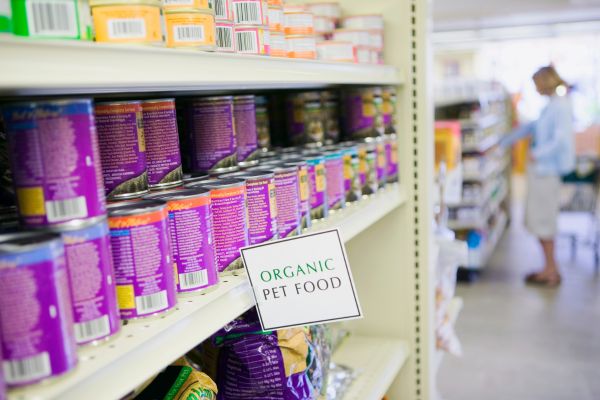
Every community has pets living behind quiet front doors, in temporary foster homes, at shelters, and sometimes with families who are doing their best but still struggling to cover the basics. Food is one of those needs that seems simple until it becomes urgent. A bag of kibble, a few cans of wet food, or a box of treats can mean the difference between a pet staying safely with its family or being surrendered to an already crowded shelter.
That is why learning how to organize a pet food drive can be such a meaningful community effort. It does not require a huge budget, a formal organization, or a professional fundraising background. What it does need is care, planning, and a clear understanding of where the food will go once it is collected.
A pet food drive is more than gathering donations. At its best, it becomes a small act of protection for animals and the people who love them.
Why Pet Food Drives Matter
Pet food insecurity is real, even if it is not always visible. Families facing job loss, illness, rising living costs, or temporary hardship may find themselves making difficult decisions. Many people will skip their own comfort before they let their pets go hungry, but that does not mean they are not under pressure.
Animal shelters and rescue groups feel this pressure too. Food is one of their regular expenses, especially when they care for many dogs, cats, puppies, kittens, senior pets, or animals with special diets. Foster-based rescues often rely on volunteers who open their homes to animals, and food donations can ease the burden on those caregivers.
A well-organized pet food drive can support shelters, rescue groups, pet pantries, and families in need. It can also remind a neighborhood that animal welfare is not only about adoption days or dramatic rescue stories. Sometimes, it is about keeping bowls full.
Start With a Clear Purpose
Before collecting anything, decide why you are organizing the drive and who it will help. This sounds obvious, but it makes every other decision easier. Are you supporting a local animal shelter? A rescue group? A community pet pantry? A food bank that also accepts pet supplies? Are you helping families in a specific neighborhood?
Once the purpose is clear, contact the organization you want to support. Ask what they need most. Some groups may have plenty of dry dog food but urgently need cat food. Others may need puppy formula, senior pet food, unopened treats, litter, or feeding supplies. It is always better to ask than to guess.
This early conversation also helps you avoid collecting items that cannot be used. Many shelters cannot accept opened bags of food, expired products, raw food, homemade food, or medications. Some may only accept certain brands because sudden diet changes can upset animals’ stomachs. Knowing these details from the start keeps the drive helpful rather than complicated.
Choose the Right Time and Length
A pet food drive can last a single day, a weekend, a week, or even a full month. The right length depends on your location, your audience, and how much help you have.
A short drive works well for schools, offices, community events, or neighborhood gatherings where people are already coming together. A longer drive is better when donation boxes will sit in public places such as shops, libraries, gyms, apartment buildings, or community centers.
Timing matters too. Many shelters need extra help during winter, after natural disasters, around holidays, or during kitten and puppy season. But honestly, there is no bad time to help. Pets eat every day, and animal care organizations rarely have too much support.
Still, it helps to connect your drive to a clear moment. A “spring pet food drive” or “holiday pet pantry collection” is easier for people to understand and remember than a vague request for donations.
Find a Donation Partner You Trust
If you are wondering how to organize a pet food drive smoothly, choosing the right donation partner is one of the most important steps. A partner could be a shelter, rescue, pet pantry, food bank, or community group already helping pet owners.
Look for an organization that can clearly explain its needs, accept the donations, and distribute them responsibly. You do not need to judge them harshly, but it is fair to ask basic questions. What items do they accept? Where should donations be delivered? Do they help owned pets, shelter animals, or both? Can they provide a list of most-needed supplies?
A good partner may also help spread the word. They might share your drive on social media, provide a logo for a flyer, or suggest language that explains the need. This makes your effort feel more connected to real animals and real families.
Make a Simple Donation List
People are more likely to donate when they know exactly what to bring. A clear donation list prevents confusion and makes the drive easier to manage.
The most useful items often include unopened dry dog food, unopened dry cat food, canned dog food, canned cat food, puppy food, kitten food, treats, and cat litter. Depending on the organization, you may also collect food bowls, leashes, collars, blankets, towels, or waste bags.
Be specific about what not to donate as well. Expired food, opened bags, damaged cans, prescription diets without approval, and used items in poor condition can create extra work for the receiving organization. It may feel awkward to mention restrictions, but it is better for everyone. People appreciate guidance when it is given politely.
A good donation list should feel friendly, not demanding. Instead of making people feel that only large donations matter, remind them that even one bag or a few cans can help.
Pick Convenient Collection Locations
Convenience can make or break a pet food drive. People may want to help, but if the drop-off location is difficult, they may put it off and forget. Choose places that are easy to access and already part of daily routines.
Good collection points can include schools, offices, community centers, apartment lobbies, local shops, libraries, veterinary clinics, grooming salons, churches, mosques, fitness centers, or neighborhood clubhouses. Always get permission before placing a donation box anywhere.
Donation boxes should be clearly labeled. Include the name of the drive, the accepted items, the deadline, and the organization receiving the donations. If the box is in a public place, check it regularly. Food bags can be heavy, cans can pile up quickly, and a messy box may discourage people from adding more.
If you are collecting from homes, consider setting specific drop-off hours instead of leaving items outdoors for long periods. Rain, heat, insects, or animals can damage donations if they are not stored properly.
Spread the Word in a Warm, Clear Way
Promotion does not need to feel loud or commercial. A pet food drive is about community care, so the message should feel human. Explain what you are collecting, why it matters, where people can donate, and when the drive ends.
Flyers still work well, especially in local neighborhoods. Social media posts can reach people quickly, particularly if local groups and community pages allow sharing. School newsletters, office emails, WhatsApp groups, neighborhood apps, and notice boards can also help.
The most effective messages are simple and specific. Instead of saying, “Please support our cause,” say something like, “We are collecting unopened dog and cat food to help local pets and families this month.” That gives people a clear picture.
Photos can help too, but use them respectfully. A picture of a donation box, a shelter pet, or neatly arranged food supplies can make the drive feel real. Avoid overly emotional or upsetting images. People can be moved to help without being made to feel guilty.
Make It Easy for People to Participate
Not everyone can donate a large bag of food. Some people may only be able to give a few cans. Others may prefer to send money directly to the shelter or order food online. If your donation partner has an online wishlist, ask whether you can share it.
You can also suggest simple participation ideas. A family might pick up an extra bag of pet food during grocery shopping. A classroom might collect one can per student. An office might choose a “casual dress donation day” where employees bring pet food instead of money. A neighborhood group might collect supplies from porches on a specific day.
The easier the action feels, the more people will join. A successful drive is not always about one person giving a lot. Often, it is about many people giving a little.
Keep Donations Clean, Safe, and Organized
Once donations start coming in, organization becomes important. Store food in a dry, clean, pest-free space. Keep bags sealed and cans protected from damage. If you collect different types of food, separate dog food from cat food and dry food from canned food.
Check expiration dates as donations arrive. It is much easier to sort items gradually than to face a huge pile at the end. If something is expired, opened, or damaged, set it aside and ask the receiving organization whether they can use it. Do not assume.
If several people are helping, create a simple system. One person can check dates, another can sort items, and someone else can record totals. You do not need a complicated spreadsheet, but it is nice to know how much was collected. Later, you can share the result with everyone who helped.
Work With Volunteers Thoughtfully
A pet food drive can be managed by one person, but volunteers make it easier and more enjoyable. Friends, students, coworkers, neighbors, or local animal lovers may be happy to help with flyers, donation box setup, pickup, sorting, and delivery.
Give people clear tasks. Vague requests such as “help with the drive” can leave volunteers unsure of what to do. Specific tasks make it easier for them to say yes.
It also helps to match tasks to people’s availability. Someone with a car may help transport donations. Someone who likes design may create a flyer. Someone active in local groups may share posts online. Someone who has only thirty minutes can help sort cans or label boxes.
Small roles still matter. A drive feels more like a community effort when many hands are involved.
Arrange Delivery Before the Final Day
Do not wait until the drive is over to figure out transportation. Pet food is heavy, and even a modest collection can fill a car quickly. Talk with your donation partner early about delivery times, parking, unloading, and whether they can help carry items.
If the collection is large, you may need multiple vehicles or more than one trip. Boxes and sturdy bags can make transport easier. Avoid overpacking boxes with canned food because they can become too heavy to lift safely.
When you deliver the donations, take a moment to confirm that everything has reached the right place. If appropriate, ask for a photo of the delivery or take one yourself. This is not about showing off. It helps donors see that their contributions were handled responsibly.
Share the Results With the Community
After the drive, let people know what happened. Share how many bags, cans, or pounds of food were collected, where the donations went, and whom they will help. Keep the tone warm and grateful.
People like to know that their small action became part of something bigger. A simple update can encourage them to join again next time. It also builds trust. When donors see that the food reached a shelter or pantry, they feel more confident supporting future efforts.
You can also mention what you learned. Maybe cat food was the biggest need. Maybe smaller bags were easier for families to carry. Maybe the donation box at the library filled faster than expected. These little lessons can make the next pet food drive even better.
Keep the Focus on Real Help
A pet food drive should never feel like a competition or performance. Big totals are wonderful, but the heart of the effort is practical care. One donated bag may feed a shelter dog for days. A few cans may help a senior cat stay with an elderly owner. A box of kitten food may support a foster volunteer through a busy week.
It is easy to think that animal welfare only happens through dramatic rescues or large donations. In reality, much of it happens quietly. Someone brings food. Someone drives across town. Someone opens a storage room. Someone fills a bowl.
That is the beauty of this kind of project. It is simple, but not small.
Common Mistakes to Avoid
One common mistake is collecting without asking what is needed. Good intentions can accidentally create extra work if the donations are not useful. Another mistake is choosing too many collection locations without enough help to manage them. It is better to have two well-maintained donation boxes than ten forgotten ones.
Poor communication can also limit success. If people do not know the deadline, accepted items, or drop-off location, they may not participate. Keep your message clear from the beginning.
Finally, do not forget storage and transport. Pet food donations take up space and weight. Planning these details early prevents stress later.
Conclusion
Learning how to organize a pet food drive is really about learning how to turn concern into action. The process is simple on the surface: choose a partner, collect food, sort it carefully, and deliver it where it is needed. But underneath that simple structure is something deeper. It is a way of helping pets stay fed, supporting families through difficult moments, and easing the daily pressure on shelters and rescues.
A successful pet food drive does not need to be perfect. It needs to be thoughtful. It needs clear communication, safe handling, and a real connection to the animals and people it serves. Whether you collect a few bags from neighbors or fill an entire room with donations, the impact is still real.
At the end of the day, a pet food drive is not only about food. It is about dignity, kindness, and the quiet comfort of knowing that somewhere, because a community showed up, a pet’s bowl will not be empty.