

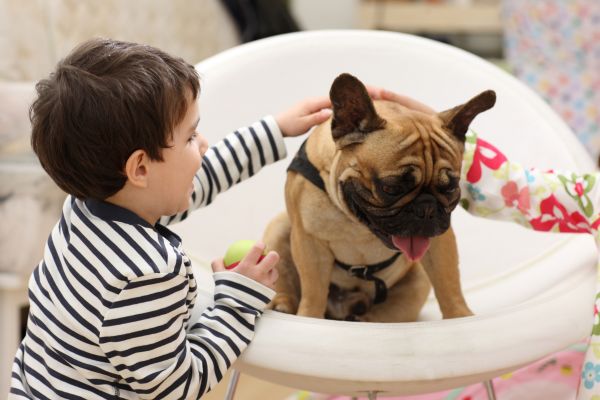
Bringing a pet into a home with a toddler is a sweet idea, but it is also one of those decisions that deserves a little patience. Toddlers are curious, noisy, loving, unpredictable, and still learning how their hands work. They may squeeze when they mean to cuddle, chase when they mean to play, or shout from pure excitement. So when parents start thinking about the best pets for toddlers, the question is not only which animal is cute. It is which pet can safely fit into a young child’s world.
The right pet can bring warmth into a family’s everyday rhythm. A toddler may learn gentleness by stroking soft fur, patience by watching a fish swim, or empathy by noticing when an animal needs quiet time. Still, every pet comes with needs, messes, and limits. The safest choice is usually one that matches the family’s lifestyle as much as the child’s personality.
What Makes a Pet Toddler-Friendly
A toddler-friendly pet is not simply small or low-maintenance. In fact, some tiny animals are too fragile for toddlers because they can be injured by rough handling. A good pet for a young child is calm, predictable, easy to supervise, and not easily frightened by normal family noise.
Parents also need to think about hygiene, allergies, time, space, and daily care. Toddlers should never be expected to take full responsibility for a pet. They can help in small ways, like placing food in a bowl with an adult beside them, but the real care belongs to grown-ups. That is where many families make the mistake of choosing a pet because it seems “easy.” No pet is completely effortless. Some are just easier to manage around little children.
Fish as a Calm First Pet
Fish are often one of the safest first pets for toddlers because they are watched rather than handled. This makes them a gentle introduction to animal care without the risk of scratching, biting, or accidental squeezing. A toddler can stand near the tank, name the fish, observe colors, and slowly begin to understand that animals have routines.
The peaceful movement of fish can also be soothing. For some children, watching a tank becomes a quiet part of the day, especially before nap time or bedtime. However, parents should not assume fish require no work. Tanks need cleaning, water quality has to be maintained, and feeding must be controlled. Too much food can harm fish, so toddler “help” should always be guided.
For families who want a pet experience without direct contact, fish can be a lovely choice. They teach observation more than cuddling, which is sometimes exactly what a toddler needs at this age.
Cats for Gentle and Respectful Homes
Cats can be wonderful family pets, but they are best suited to toddlers who are learning calm behavior and to homes where adults can supervise closely. A patient, well-socialized adult cat may tolerate family life better than a kitten, which can be scratchy, playful, and easily overwhelmed.
The beauty of cats is that they often set their own boundaries. They walk away when they need space. This can help toddlers learn an important lesson: love does not mean grabbing, chasing, or forcing attention. A child can learn to sit quietly and let the cat come near when it feels ready.
Still, cats are not ideal for every toddler. Some cats dislike sudden movement or loud sounds. Others may scratch if cornered. Parents should create safe spaces where the cat can retreat and make it clear that the litter box is completely off-limits to children. With respect and supervision, a calm cat can become a gentle companion, but the match matters.
Dogs for Active Families
Dogs are often the pet children dream about first. They are affectionate, expressive, and eager to be part of family life. For toddlers, though, the right dog matters more than the idea of having a dog. A calm, trained, well-socialized dog is usually safer than a high-energy puppy that jumps, nips, and needs constant training.
Some adult dogs are naturally patient with children, while others find toddlers stressful. Breed can offer clues about energy level and temperament, but it never tells the whole story. The individual dog’s history, training, size, health, and personality are just as important.
Dogs can be excellent for families who enjoy outdoor time and have enough energy for walks, play, grooming, and routine care. Toddlers can help in small ways, like carrying a toy or saying “good dog” after gentle behavior. But they should never be left alone with a dog, even a trusted family pet. Toddlers and dogs both act on impulse, and supervision protects them both.
Guinea Pigs for Older Toddlers with Supervision
Guinea pigs are often seen as sweet beginner pets, and in some homes they can be. They are usually gentle, social, and less quick than smaller rodents. Their soft sounds and calm nature can make them appealing to young children. However, they still require careful handling, and not every toddler is ready for that.
A guinea pig can be injured if dropped, squeezed, or handled roughly. For this reason, it is better for a toddler to sit on the floor while an adult holds or guides the animal. The child can gently touch its back with one finger or help place vegetables in the feeding area.
Guinea pigs also need a proper enclosure, fresh bedding, daily food, clean water, and social attention. They are not toys, and they are not as simple as they may look in a pet store. But for a calm family that enjoys routine care, they can be one of the more manageable small pets.
Rabbits Are Sweet but Sensitive
Rabbits look like perfect toddler pets at first glance. They are soft, quiet, and adorable. Yet rabbits are often more delicate than people expect. Many dislike being picked up, and they can panic when held incorrectly. A frightened rabbit may kick strongly and injure itself or scratch a child.
That does not mean rabbits can never live in a home with toddlers. It means they need a careful environment. A rabbit may be better as a family pet that toddlers observe and interact with gently on the floor, rather than a pet they carry around. They need space, safe chewing options, proper diet, and regular cleaning.
For families willing to learn rabbit behavior, they can be rewarding companions. But they are not the best choice for parents hoping for an easy cuddly pet. Rabbits ask for quiet handling and a lot of respect.
Pets That Are Usually Not Ideal for Toddlers
Some pets are better saved for later childhood. Hamsters, gerbils, and mice may be small, but they are quick, fragile, and often active at night. A toddler may struggle to hold them safely. Birds can be noisy and sensitive, and some may bite when frightened. Reptiles can be fascinating, but they require strict hygiene and careful habitat management, which is usually too much for a toddler-centered home.
This does not make these animals bad pets. It simply means their needs do not always line up well with toddler behavior. A good pet choice should reduce stress for everyone, including the animal.
Teaching Toddlers How to Behave Around Pets
No matter which animal a family chooses, the most important safety tool is teaching. Toddlers need simple, repeated lessons. Gentle hands. Quiet voices. No pulling tails. No touching food bowls. No waking sleeping pets. No chasing. These lessons may sound obvious to adults, but toddlers learn through repetition.
It helps when parents model the behavior slowly. A toddler who watches an adult stroke a cat gently is more likely to copy that motion. A child who hears “we give the dog space while he eats” every day begins to understand boundaries. Pets can teach responsibility, but only when adults create a safe structure around the relationship.
The early goal is not for a toddler to become a little caretaker. The goal is for the child to learn kindness, patience, and awareness.
Choosing Based on Your Real Family Life
The best pets for toddlers are not the same for every household. A quiet apartment family may do better with fish or a calm cat. An active family with a yard and time for training may enjoy a dog. Parents who like small-animal care may consider guinea pigs, while rabbits may suit homes that understand their sensitive nature.
Before choosing, families should honestly ask who will clean, feed, train, supervise, and pay for the pet’s needs. If the answer is unclear, it may be better to wait. There is nothing wrong with visiting animals at a friend’s home, reading pet books, or spending time at a local farm before making a commitment.
Sometimes the most responsible pet decision is patience.
A Thoughtful Start to a Lifelong Lesson
Choosing a pet for a toddler is less about finding the cutest animal and more about creating a safe, gentle relationship. Fish, calm cats, well-trained dogs, and carefully supervised guinea pigs can all be good options in the right home. Rabbits may work for some families, though they need more sensitivity than many people expect.
The best pet is one whose needs fit naturally into family life and whose temperament matches the energy of a young child. With steady adult guidance, a pet can become more than a companion. It can become a toddler’s first real lesson in kindness, respect, and caring for another living thing.