

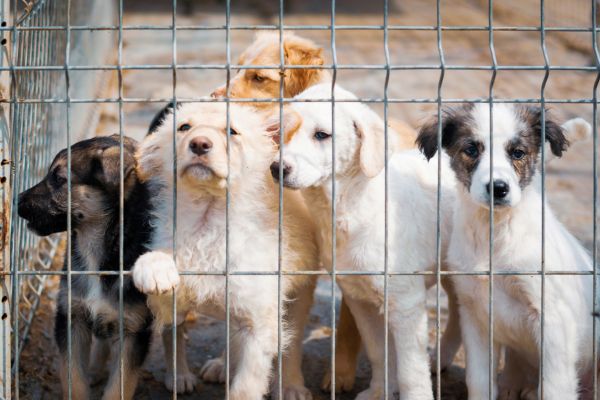
Animal welfare rarely improves by accident. Behind most changes in public attitudes, consumer habits, corporate policies, and legal protections, there are people who have spent years drawing attention to suffering that was previously ignored. Their work often takes the form of advocacy campaigns designed to inform the public, challenge harmful practices, and encourage practical action.
Some campaigns begin with a disturbing investigation. Others grow from a local rescue effort, a school project, a petition, or a group of residents worried about animals in their community. The methods may differ, but the central idea is the same: animals cannot argue their own case in courtrooms, boardrooms, or public debates, so people must speak on their behalf.
The most effective advocacy campaigns do more than make audiences feel sad for a moment. They turn concern into understanding, and understanding into lasting change.
Why Animal Advocacy Still Matters
Animals are used, traded, housed, transported, bred, and displayed in countless ways. Some live as family companions, while others spend their lives in farms, laboratories, entertainment facilities, breeding operations, or the wild. Their treatment depends heavily on human decisions, yet those decisions are often made far away from public view.
This lack of visibility is one reason advocacy is so important. Most people do not regularly see what happens inside an industrial farm, an illegal wildlife market, or a poorly managed breeding facility. When suffering remains hidden, it becomes easier for individuals and institutions to treat it as someone else’s problem.
Animal advocacy campaigns bring these realities into public conversation. They ask uncomfortable questions about convenience, tradition, profit, and responsibility. At their best, they do not simply accuse people of cruelty. They help audiences understand how ordinary choices can support harmful systems and how those choices can be changed.
The Power of Making Hidden Conditions Visible
Public awareness is often the first step toward reform. Investigative footage, photographs, survivor stories, and firsthand accounts can reveal conditions that formal reports fail to communicate emotionally.
A written description of overcrowding may sound abstract. An image of animals unable to move freely can make the same issue impossible to dismiss. This is why visual storytelling has become such a central part of many advocacy campaigns.
However, shock alone is rarely enough. Graphic material may attract attention, but it can also overwhelm people or cause them to look away. Strong campaigns balance difficult evidence with clear explanations and realistic solutions. They show what is wrong, why it continues, and what can be done about it.
The goal should not be to leave the audience feeling helpless. It should be to make the problem understandable and the next step achievable.
Changing the Way People Think About Animals
One of the deepest achievements of animal advocacy has been the gradual shift in how society views animals. They are increasingly discussed as sentient beings capable of experiencing pain, fear, comfort, attachment, and stress rather than as objects without meaningful interests.
This change in language matters. Words influence what people are willing to tolerate. When an animal is described only as property, stock, equipment, or a product, its suffering can become easier to overlook. When the same animal is understood as a living being with physical and emotional needs, the moral picture changes.
Many advocacy campaigns focus on this cultural shift. They encourage people to reconsider common practices without assuming that everyone will change overnight. A campaign may begin by asking families to adopt rather than buy pets, choose cruelty-free products, reduce their use of animal-based foods, or avoid attractions that rely on stressful animal performances.
Small changes may appear limited, but they can reshape social expectations over time. What once seemed normal can eventually come to be seen as unnecessary or unacceptable.
Campaigns That Influence Corporate Policies
Businesses respond to public expectations, especially when customers begin asking specific questions. Where were animals raised? Were they kept in cages? Were products tested on animals? Are supply chains linked to wildlife exploitation or poor welfare standards?
Advocacy campaigns often translate complex welfare concerns into demands that companies can act upon. Instead of calling vaguely for better treatment, campaigners may request cage-free sourcing, stronger supplier audits, an end to certain animal tests, clearer labeling, or the removal of cruel materials from products.
Corporate commitments are not the same as complete reform. Policies can be delayed, weakened, or presented more positively than their real impact deserves. Campaigns therefore need to continue after an announcement is made. Monitoring, transparency, and independent verification are essential.
Still, changes in company policy can affect very large numbers of animals. When a major retailer, manufacturer, food producer, or fashion company updates its standards, the influence may spread throughout the supply chain. Competitors often face pressure to follow, making one campaign the beginning of a much wider change.
Turning Public Concern Into Legal Protection
Awareness can change individual behavior, but laws create minimum standards that apply even when people or businesses are unwilling to act voluntarily.
Legal advocacy campaigns may focus on stronger anti-cruelty penalties, better enforcement, restrictions on wildlife trade, improved farm-animal protections, regulation of breeders, or bans on particularly harmful practices. These efforts often take years because legal systems move slowly and opposition can be intense.
Successful campaigns usually combine emotional storytelling with credible evidence. Lawmakers need to understand both the human concern behind an issue and the practical details of proposed reform. Veterinary research, enforcement records, public health concerns, economic analysis, and examples from other regions may all strengthen the case.
Public participation also matters. Letters, petitions, meetings, hearings, and peaceful demonstrations remind decision-makers that animal welfare is not a fringe concern. It is an issue that voters notice and increasingly expect governments to address.
Local Campaigns Can Create Lasting Change
Not every meaningful campaign operates nationally or attracts media attention. Some of the most practical work happens within neighborhoods, towns, schools, shelters, and local councils.
A community campaign might promote pet sterilization, improve shelter conditions, create safe feeding and vaccination programs for street animals, or encourage drivers to slow down in wildlife crossing areas. Residents may work to stop illegal animal fighting, report neglect, or persuade local authorities to provide emergency veterinary support.
These smaller campaigns have an advantage: they understand local conditions. A solution that works in one place may fail in another because of cultural attitudes, limited resources, or different animal populations. Local campaigners can build trust, speak in familiar language, and adapt their message to the community.
They also make advocacy feel less distant. People are often more willing to act when they can see the problem and the results close to home.
Social Media Has Expanded the Reach of Advocacy
Digital platforms allow animal welfare stories to travel quickly. A single video can reach millions of people, attract media attention, raise emergency funds, or push authorities to investigate.
This speed has created new possibilities, but it has also introduced problems. Images may be shared without context. Old footage can be presented as new. Emotional claims may spread before facts are checked. In some cases, online outrage becomes more focused on attacking individuals than solving the underlying problem.
Responsible advocacy requires accuracy. Campaigners should verify information, protect vulnerable witnesses, avoid exposing rescue locations unnecessarily, and explain what supporters can realistically do. Credibility is difficult to build and easy to lose.
Social media works best when it supports deeper action rather than replacing it. Sharing a post may help, but lasting progress often requires donations, volunteering, policy engagement, responsible consumption, or changes in daily behavior.
Compassion Fatigue Is a Real Challenge
People who regularly see stories of animal suffering can become emotionally exhausted. Constant exposure to distressing images may lead to sadness, anger, guilt, or a sense that nothing is improving.
Advocacy campaigns must recognise this. If every message is built around horror, audiences may eventually disengage. Hope is not a distraction from serious issues; it is part of sustaining public involvement.
Showing rescued animals recovering, communities changing their practices, or harmful policies being replaced can remind supporters that progress is possible. Even partial victories matter. They demonstrate that pressure, patience, and cooperation can produce results.
Campaigners themselves also need support. Working closely with cruelty cases can take a heavy emotional toll. Rest, boundaries, teamwork, and access to mental health resources are important parts of long-term advocacy.
What Makes Advocacy Campaigns Effective
The strongest campaigns usually have a clear goal, reliable evidence, a realistic strategy, and a message that people can understand. They know who has the power to create change and what kind of pressure is most likely to influence that person or institution.
They also avoid treating the public as the enemy. Most people have complicated relationships with animals and may support welfare improvements while still participating in harmful systems. Respectful communication creates more room for reflection than humiliation does.
Effective advocacy combines urgency with patience. Some changes happen quickly, while others require years of education and negotiation. Progress may be uneven, but steady public pressure can shift what society considers acceptable.
A Voice That Leads to Action
Animal advocacy campaigns matter because they connect private compassion with public responsibility. They reveal suffering, challenge familiar habits, support legal reform, and remind institutions that animal welfare cannot be ignored simply because animals lack political or economic power.
Their impact is not always immediate or dramatic. Sometimes change appears in a new shelter policy, a revised company standard, a stronger law, or a family choosing to adopt. These developments may seem separate, yet together they reshape the way animals are treated.
Real advocacy does not ask people to care for one day. It invites them to look more closely, think more honestly, and act with greater consistency. That is how concern becomes progress—and how a campaign becomes a lasting difference.