

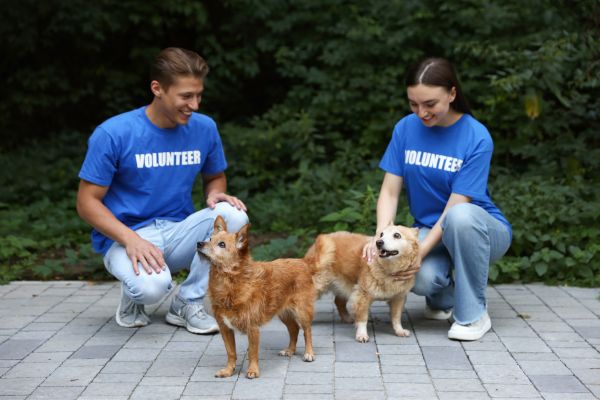
Animal shelters rarely run on quiet days. Behind every adoption photo and wagging tail, there are food bills, medical treatments, cleaning supplies, foster needs, transport costs, and staff or volunteers trying to stretch limited resources as far as they can. For many shelters, community support is not just helpful. It is what keeps the doors open.
That is why learning how to organize charity events for animal shelters can make a real difference. A good event does more than raise money. It brings people closer to the animals, reminds the community that shelters are part of everyday life, and gives people a simple way to help, even if they cannot adopt or foster.
The best events are not always the biggest or most expensive ones. Sometimes a small neighborhood donation drive, a dog walk, or a relaxed weekend bake sale can create the kind of steady support shelters need most. What matters is planning with care, keeping the shelter’s real needs at the center, and making the event feel welcoming rather than overwhelming.
Start by Understanding What the Shelter Actually Needs
Before choosing a theme or designing posters, the first step is to speak with the shelter directly. It sounds obvious, but it is easy to assume every shelter needs the same things. One may be short on kitten formula. Another may be struggling with emergency vet bills. A third may have plenty of blankets but desperately need cleaning products, cat litter, or foster homes.
A charity event works best when it answers a real need. Ask the shelter what would help most right now. They may prefer cash donations because money can be used for urgent medical cases, utility bills, or bulk supplies. They may also have a wish list of items they can accept, along with items they cannot use. Opened food, damaged toys, old pillows, or expired medicine may create extra work instead of helping.
This early conversation also builds trust. It shows the shelter that the event is not just about looking generous from the outside. It is about supporting their daily work in a practical, respectful way.
Choose an Event That Fits Your Community
There is no single perfect way to organize charity events for animal shelters. The right idea depends on your location, your audience, your time, and the kind of support you can realistically manage.
A pet supply drive is one of the simplest options. People can donate food, treats, towels, leashes, toys, litter, and cleaning supplies at a school, workplace, shop, or community center. A dog walk or fun run can bring pet owners together while raising entry fees or sponsorship donations. A small market, craft fair, bake sale, or yard sale can work well in neighborhoods where people enjoy browsing and chatting.
For animal lovers who want something more social, a trivia night, movie evening, coffee morning, or themed dinner can create a warm atmosphere. If the shelter allows it and local rules are followed, adoption awareness events can also be powerful, though they need careful planning so animals are not stressed or treated like entertainment.
The goal is not to pick the flashiest idea. It is to choose something people will actually attend, enjoy, and understand. A simple event that feels organized and genuine will usually do more good than a complicated one that becomes stressful for everyone involved.
Keep the Animals’ Welfare at the Center
When planning shelter-related events, it is tempting to make animals the main attraction. After all, people naturally connect with cats, dogs, rabbits, and other rescue animals. But animal welfare should always come before photos, crowds, or excitement.
Not every shelter animal is comfortable around strangers, noise, children, or other pets. Some are recovering from neglect or medical treatment. Others may be newly rescued and still adjusting. If animals will attend the event, the shelter should decide which ones are suitable, how long they should stay, and what kind of environment they need.
Quiet spaces, water bowls, shaded areas, secure leads, crates, and responsible handlers are essential. Visitors should be guided gently on how to approach animals. Children should be supervised. No animal should be passed around, crowded, or forced into interaction.
A charity event should leave the animals better off, not more anxious. Sometimes the most thoughtful event is one where animals stay safely at the shelter while photos, stories, and information help people connect with them from a distance.
Create a Clear Fundraising Goal
People are more likely to give when they understand what their support will do. A vague message like “help the shelter” is kind, but a specific goal feels more meaningful. For example, the event might aim to cover vaccinations for ten dogs, provide food for one month, support emergency surgery, or collect enough litter and cleaning supplies for the busy season.
A clear goal also helps you measure success. It gives the event a sense of purpose and makes it easier to explain in posters, social media posts, emails, and conversations. When people know their donation could help pay for a rescued cat’s treatment or feed a kennel of dogs for a week, the cause becomes easier to picture.
This does not mean every detail has to be dramatic. Shelter work is often built on ordinary needs. Food, laundry detergent, disinfectant, flea treatment, bedding, and fuel for transport may not sound glamorous, but they matter every single day.
Plan the Details Early
Even a small charity event needs structure. Choose the date, time, location, and basic format early enough to give people notice. Check whether you need permission to use a public space, set up stalls, serve food, play music, or bring animals. If money will be collected, decide who will handle it, how it will be recorded, and how it will be transferred to the shelter.
Make a simple list of responsibilities. Someone may handle promotion, another person may speak with the shelter, another may manage supplies, and someone else may welcome guests on the day. Clear roles prevent confusion later.
For physical donations, set up labeled collection points. For cash or digital donations, make the process simple and transparent. People should know where their money is going and whether the event is officially connected with the shelter or independently organized in support of it.
Good planning does not have to feel stiff. It simply keeps the event from becoming chaotic, especially when volunteers are busy and guests start arriving.
Promote the Event with Warm, Honest Messaging
Promotion is not just about getting attention. It is about helping people feel invited. Share the reason behind the event in a clear, human way. Mention the shelter’s needs, the date and place, and what people can bring or donate.
Social media can help, but local promotion still matters. Community noticeboards, schools, cafes, pet shops, gyms, libraries, neighborhood groups, and workplaces can all spread the word. Personal invitations often work better than polished announcements. A friend asking another friend to stop by with a bag of food or a few towels can be surprisingly effective.
Use real stories when possible, with the shelter’s permission. A short story about a rescued dog recovering from surgery or a litter of kittens needing formula can help people understand the impact. Keep the tone respectful, though. Animals should not be used as sad props. Their stories deserve dignity.
Make the Event Easy for People to Support
Not everyone can give money. Not everyone can attend for hours. A successful charity event gives people different ways to help. Some may donate supplies. Some may give a small amount online. Some may volunteer for setup or cleanup. Others may share the event with friends or offer a raffle prize.
Make instructions simple. Tell people exactly what is needed and where to bring it. If you are collecting supplies, separate the most-needed items from the nice-to-have items. If there is an entry fee or donation suggestion, make it clear but not pushy.
The easier it is to participate, the more likely people are to join in. A person who brings one bag of cat food today may become a regular supporter later. Charity events often open the first door.
Work with Local Volunteers and Small Businesses
Community events feel stronger when people build them together. Local volunteers can help with tables, signs, collection boxes, refreshments, photography, parking, or cleanup. Small businesses may donate snacks, gift cards, printing, raffle items, or space.
The key is to keep the focus on the shelter, not on turning the event into a promotional fair. Support from local businesses can be valuable, but the tone should remain community-minded and cause-focused. People should leave remembering the animals, the shelter’s needs, and the feeling that they were part of something useful.
Volunteers should also be treated with care. A short thank-you message, a shared photo after the event, or a note about how much was raised can make people feel appreciated. Many shelter supporters come back because they feel connected, not because they were asked perfectly.
Be Transparent After the Event
The work is not finished when the tables are folded and the last box of supplies is delivered. Follow-up matters. Share how much money was raised, what items were collected, and how the shelter will use them. If the shelter provides photos or a thank-you note, share those too, with permission.
Transparency builds confidence. It also encourages future support. People like knowing that their bag of food, small donation, or afternoon of volunteering had a real result.
This is also the time to reflect. What worked well? What felt rushed? Did the location suit the crowd? Were donation instructions clear? Did the shelter receive what it needed most? These notes can make the next event smoother and more effective.
Turn One Event into Ongoing Support
A charity event can be a single good day, but it can also become the start of a lasting relationship between the community and the shelter. After the event, some people may want to volunteer, foster, sponsor medical care, donate monthly, or help with future drives.
Shelters need steady support, not just occasional attention. Seasonal events can help with this. Winter blanket drives, summer hydration supplies, kitten season fundraisers, holiday food collections, or back-to-school volunteer campaigns can keep the community involved throughout the year.
When you organize charity events for animal shelters with a long-term mindset, the impact grows. People begin to see the shelter not as a distant place where unwanted animals go, but as a living part of the community that deserves care, respect, and practical help.
Conclusion
Organizing a charity event for an animal shelter is not about creating a perfect occasion. It is about noticing a need and bringing people together to answer it. The most meaningful events are often built from simple ideas, honest effort, and a clear understanding of what the shelter truly needs.
Whether it is a supply drive, a dog walk, a bake sale, or a small neighborhood fundraiser, the heart of the event should always be the animals and the people caring for them. With thoughtful planning, respectful promotion, and genuine community involvement, even a modest event can help provide food, medicine, comfort, and safety to animals waiting for a better life.
In the end, charity events remind us that shelter work does not belong only to shelters. It belongs to all of us, in small but powerful ways.