

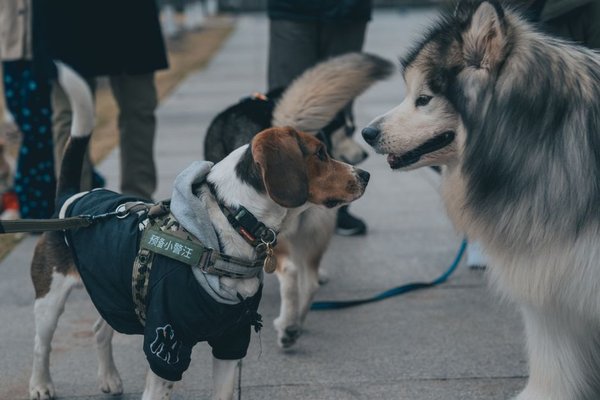
Living with a reactive dog can make walks, visitors and park trips feel complicated. Barking, lunging, freezing or escaping may look like bad behaviour, but these reactions often signal fear, frustration, overexcitement or feeling trapped. Safe socialisation is not about making your dog greet everyone. It is about helping them feel calmer and more secure around the things that currently overwhelm them.
Learning how to socialize a reactive dog takes patience, careful observation and realistic expectations. The goal is not necessarily to create a dog who loves busy places or plays with every dog they meet. A better goal is neutrality: your dog notices a person, animal or situation and can remain comfortable enough to think, move away and respond to you.
Understand What Triggers Your Dog
Before beginning dog reactivity training, identify exactly what causes the response. Some dogs react to every unfamiliar dog, while others struggle with large dogs, fast movement, direct eye contact or visitors entering the home. Keep a simple diary noting the trigger, distance, location, time of day and your dog’s behaviour.
Look for early stress signals rather than waiting for barking or lunging. A closed mouth, stiff posture, fixed stare, raised paw, tucked tail, lowered body, sudden panting or refusal of food can all suggest discomfort. These quieter signals tell you that your dog needs more space. Responding early prevents them from reaching the point where they feel they must react dramatically.
Start With Management, Not Exposure
Management is not failure or avoidance. It creates the safety your dog needs in order to learn. Choose quiet walking times, use routes with wide paths and clear exits, and cross the road before a trigger gets too close. Parked cars, hedges and walls can serve as visual barriers. Well-fitted equipment helps you maintain control without harsh corrections.
For leash reactivity, distance is one of your most useful tools. A dog who cannot take food, turn away or respond to a familiar cue is probably too close to the trigger. Move farther away until their body softens and they can engage with you again. Training works best below this reaction threshold, not in the middle of an outburst.
Build Skills in a Calm Environment
Practise simple behaviours at home before expecting your dog to use them outdoors. Teach a cheerful name response, a hand target, a relaxed U-turn and a “find it” game in which you scatter treats on the ground. These skills give you practical ways to redirect your dog without dragging, scolding or forcing them to sit still near something frightening.
Use rewards your dog genuinely values. Ordinary biscuits may work in the kitchen, while small pieces of chicken or another high-value food may be needed outdoors. Keep sessions short and finish while your dog is still successful. Repeated easy wins build confidence better than one exhausting session.
Use Gradual Exposure and Positive Associations
Once management and foundation skills are in place, begin controlled exposure. Position your dog far enough from the trigger that they notice it but do not bark, lunge, freeze or panic. The moment they see the trigger, offer a reward. When the trigger disappears or you move away, the rewards stop. Over time, the appearance of the trigger begins to predict something positive.
This process combines gradual desensitisation with counterconditioning. Progress should be measured in small steps. You might begin with another dog 50 metres away, then work at 45 metres after several calm sessions. Do not reduce distance simply because you are eager to advance. Let your dog’s body language determine the pace.
Keep Sessions Predictable
Plan short sessions in places where you can control distance. A calm helper with a neutral dog can be useful when no greeting is required. Parallel walking in the same direction, with plenty of space between the dogs, is often less intense than approaching head-on.
For fearful dog socialization around people, ask helpers to ignore your dog. They should avoid leaning over, staring, reaching out or attempting to lure the dog closer. Your dog should be free to observe and retreat. Choice is important because forced contact can increase fear, even when the person has friendly intentions.
Avoid Common Socialisation Mistakes
Do not take a reactive dog into a crowded dog park to “get used to it.” Flooding them with triggers can intensify fear and teach them that their warning signals are ignored. Similarly, forcing nose-to-nose greetings, tightening the lead, shouting or using painful equipment may suppress behaviour temporarily without improving the emotion underneath it.
Avoid moving closer when your dog is already struggling. If they react, calmly create distance rather than punishing them. An outburst is useful information: the situation was too difficult. Allow time to decompress, make the next session easier and remember that progress is rarely perfectly linear.
Support Your Dog’s Overall Wellbeing
Dogs learn better when their basic needs are met. Provide regular rest, sniffing opportunities, suitable exercise, enrichment and a predictable routine. After a stressful encounter, your dog may benefit from a quieter day rather than another challenging training session. Stress can accumulate, making reactions more likely.
A veterinary check is important if reactivity appears suddenly, becomes worse or is accompanied by changes in movement, sleep, appetite or tolerance of touch. Pain and illness can affect behaviour. For severe reactions, bite risk or limited progress, seek help from a qualified, reward-based behaviour professional who can create a plan for your dog’s specific triggers and environment.
Frequently Asked Questions
Can a reactive dog ever be fully socialized?
Many reactive dogs make substantial progress, but the outcome varies. Some become comfortable in situations they once found difficult, while others continue to need distance and thoughtful management. Success should be judged by improved wellbeing, recovery and safety rather than the number of dogs or people they greet.
Should my reactive dog meet other dogs?
Not necessarily. Direct greetings are not required for successful socialisation. Calm observation, parallel walking and the ability to pass another dog at a comfortable distance are valuable achievements. Introductions should happen only when both dogs are relaxed and the situation is carefully controlled.
How long does dog reactivity training take?
There is no fixed timeline. Progress depends on the cause of the reactivity, the dog’s history, how often triggers occur and how consistently training is managed. Think in terms of gradual improvement over weeks and months rather than expecting a rapid cure.
What should I do if my dog reacts during training?
Increase distance calmly and help your dog leave the situation. Once they can relax, offer an easy activity such as sniffing for scattered treats. Do not punish the reaction. Review what happened and make the next session less difficult.
Conclusion
Knowing how to socialize a reactive dog safely means replacing pressure with distance, choice and positive experiences. Protect your dog from situations they cannot yet handle, practise useful skills in easy settings and introduce triggers gradually. With consistent reward-based training and professional support when needed, many reactive dogs can become calmer, more confident and easier to guide through everyday life.