

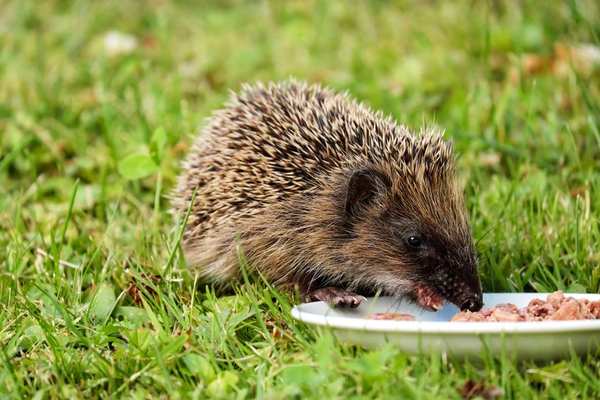
A pet hedgehog may be small, but its dinner deserves more planning than a handful of insects. A healthy feeding routine starts with balanced staple food, uses insects for variety and foraging, and keeps rich treats occasional. It also pays attention to the scale: African pygmy hedgehogs can gain excess weight when portions are guessed.
This hedgehog feeding guide focuses on the four-toed, or African pygmy, hedgehog commonly kept as a pet. Wild hedgehogs have different needs, so advice for garden visitors should not be applied to a captive animal.
Build the Diet Around a Reliable Staple
The foundation of a pet hedgehog diet should be balanced commercial hedgehog or insectivore food. These diets supply nutrients consistently, rather than leaving owners to assemble a complete menu from insects, fruit, and leftovers.
Choose a reputable product suitable for your hedgehog’s life stage. An exotic-animal veterinarian can help assess its nutrition and your pet’s body condition. If hedgehog or insectivore food is unavailable, a high-quality, lower-fat weight-management cat kibble may be an alternative under veterinary guidance. Ordinary cat food is not automatically an equivalent replacement.
A consistent staple helps reveal appetite changes. If your hedgehog usually finishes a measured serving but suddenly leaves most of it, take notice. Appetite is harder to judge when unlimited food stays in the bowl.
Where Insects Fit Into Hedgehog Food
Insects encourage sniffing, hunting, and natural feeding behavior. They are not a complete diet by themselves. Feeding mostly mealworms or other unbalanced insects can provide excess fat or too little calcium relative to phosphorus.
Choose Variety, Not Just Favorite Snacks
Gut-loaded crickets and dubia roaches are useful options where available and permitted. Earthworms and mealworms add variety, while fatty larvae such as waxworms are better kept for rare treats. Gut-loading means feeding insects nutritious food before offering them to your pet. Ask your veterinarian whether calcium dusting is appropriate.
Buy feeder insects from reputable suppliers rather than collecting them outdoors. Wild insects may carry pesticides, fertilizers, or parasites. Offer modest amounts, count them within the food allowance, and remove uneaten live insects rather than leaving them loose in the enclosure.
For a hedgehog that quickly gobbles insects, hide a few feeders in safe places or scatter regular kibble for searching. The activity matters as much as the snack. Explore hedgehog enrichment activities for more ways to encourage natural foraging.
Treats Should Stay Small and Simple
Hedgehog treats can include tiny pieces of plain cooked egg, unseasoned cooked lean meat, or soft vegetables such as cooked carrot or squash. Occasional small pieces of apple or pear are possible, but fruit is sugary. Introduce unfamiliar foods one at a time so digestive reactions are easier to recognize.
Avoid milk, chocolate, sweets, avocado, raw meat, and raw eggs. Nuts, seeds, and chunks of hard raw vegetables can lodge in the mouth. Skip seasonings, sauces, onion, and garlic. When uncertain about a food, ask an exotic-animal veterinarian before offering it.
Treats should never replace an uneaten staple meal. A hedgehog persistently refusing regular food needs assessment, not an expanding menu of tempting snacks.
How Much and When Should You Feed?
African pygmy hedgehogs are nocturnal, so evening meals suit their activity cycle. The Merck Veterinary Manual describes roughly three to four teaspoons of staple kibble daily as typical for many adult four-toed hedgehogs, adjusted for weight and activity. This is a starting reference, not a universal prescription: calorie density, age, and health affect the correct portion.
Measure kibble with the same spoon each night, counting insects and extras as part of the ration. Check leftovers each morning and discard perishable food. Growing juveniles and pregnant or nursing females have different needs, so avoid giving them an adult weight-control allowance.
A Practical Evening Routine
Imagine an adult hedgehog eating its measured kibble but also receiving a generous handful of mealworms nightly. Rather than abruptly cutting its entire food supply, keep the balanced staple consistent and replace the handful with a few measured, gut-loaded insects on selected evenings. Provide foraging opportunities on other nights. Record appetite and weight while a veterinarian helps determine a suitable ration.
For ideas about washable dishes and safe feeding areas, explore hedgehog enclosure setup.
Fresh Water and Clean Equipment
Keep clean water available at all times in a stable, shallow bowl or a bottle your pet reliably uses. Refill it daily and check bottles for blockages. Wash food and water containers every day, especially after offering moist food or insects. Discard leftovers before they spoil.
Use Weekly Weigh-Ins to Prevent Obesity
The right portion supports a healthy individual hedgehog, not an arbitrary number from another owner’s routine. Weigh your pet weekly on a digital kitchen scale, at approximately the same time, and record the result. Follow trends instead of reacting to tiny fluctuations.
Body shape matters too. An overweight hedgehog may struggle to curl tightly, although that difficulty can have other causes. A suitable solid-surface exercise wheel and safe foraging support movement. Read more about weighing small exotic pets to understand why consistent measurements beat visual guesses.
Do not attempt a crash diet. Abrupt restriction and prolonged refusal of food can be dangerous because hedgehogs are vulnerable to liver problems. Seek prompt veterinary advice if your pet stops eating, loses weight unexpectedly, becomes lethargic, or develops persistent diarrhea.
Change Foods Gradually
Hedgehogs may hesitate over new textures. Mix a little new staple food into the familiar one, then increase it gradually over several days or longer as tolerated. Track stool consistency and intake. If your pet refuses both foods or develops digestive symptoms, seek veterinary advice.
Routine vitamin powders are usually unnecessary with an otherwise balanced commercial diet. Supplements can create imbalances, so use them only when specifically recommended.
Frequently Asked Questions
Can hedgehogs eat cat food every day?
Suitable lower-fat cat kibble may be an alternative when complete hedgehog or insectivore food is unavailable, but not every cat formula is appropriate. Have an exotic-animal veterinarian review the product and your pet’s weight.
Are mealworms good for hedgehogs?
Mealworms can be occasional insects for hedgehogs, but an insect-only or mealworm-heavy diet is poorly balanced. Rotate suitable feeders and favor gut-loaded insects rather than large servings of fatty larvae.
How often can I offer fruit?
Only occasionally, in tiny pieces. Fruit is optional, not a dietary requirement, and sugary portions can displace more useful food. Remove leftovers promptly.
What if my hedgehog suddenly stops eating?
Check that food and water are accessible, but do not assume simple pickiness. Sudden appetite loss, particularly with unusual behavior or weight changes, warrants prompt advice from an exotic-animal veterinarian.
A Sustainable Feeding Routine
A balanced staple, carefully chosen insects, restrained treats, and fresh water make hedgehog care predictable. Pair these with weekly weight records and opportunities to forage. You can then spot changes earlier and adjust portions sensibly without turning every meal into a treat buffet.