

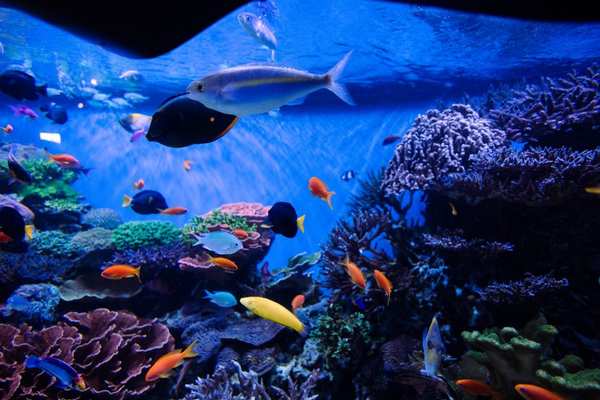
A saltwater aquarium can be a lively display of marine fish, a miniature coral garden, or something in between. The choice matters before you buy equipment. When comparing a reef tank vs fish-only setup, the biggest difference is the kind of life you commit to keeping healthy.
Fish-only systems put marine fish first. Reef aquariums add living corals and often other invertebrates, bringing extra demands for lighting, chemistry, and compatibility. Both can be rewarding, but they ask different things of your budget and routine.
Three Saltwater Setups Beginners Should Know
Fish-only aquarium
A traditional fish-only marine aquarium contains saltwater fish, with artificial decorations or inert rock for shelter. It still needs established biological filtration, temperature control, stable salinity, and enough space for each species. You simply do not have to keep photosynthetic corals alive.
Fish-only with live rock
A FOWLR tank, short for fish-only with live rock, uses rock colonized by beneficial microorganisms. Rock provides hiding places and surface area for biological filtration, creating a natural-looking display without the full responsibilities of coral keeping. Dry reef rock also becomes biologically active as the aquarium matures.
Reef aquarium
A reef tank setup typically combines fish, living corals, and selected invertebrates. Many corals host photosynthetic algae, so suitable light and consistent water conditions are central to their care. Different coral species also require different water movement, placement, and sometimes feeding.
These are three common marine aquarium types, not rigid categories. A fish-only display may include certain invertebrates, while a reef can have few fish.
Equipment: What Changes When You Add Corals?
Both systems need a tank, heater, circulation, filtration, marine salt mix, salinity meter, and water-testing routine. A lid helps protect jumping fish. A protein skimmer can manage waste in either system, especially with heavy feeding, but is not mandatory for every aquarium.
The most obvious reef upgrade is lighting. Fish need a regular day-night cycle and enough illumination to view them. Photosynthetic corals need lighting chosen for their species, depth, and placement. An attractive blue glow does not guarantee adequate intensity or coverage.
Reef owners also commonly use additional flow pumps, automatic top-off systems, and tests for alkalinity, calcium, and magnesium. Growing stony corals consume minerals as they build skeletons, so some aquariums eventually need measured supplementation. Fish-only tanks usually avoid this extra layer of management.
Water Quality: Both Need Stability
Neither option is ready for livestock until its nitrogen cycle is established. Beneficial bacteria must process ammonia from waste. Ammonia should remain undetectable in an established tank, and sudden temperature or salinity swings can harm marine fish in any setup.
In fish-only aquariums, water care focuses largely on protecting fish from toxic ammonia, accumulating waste, and stress. Nitrate still matters, but many fish tolerate a wider nutrient range than sensitive corals.
For reefs, consistency becomes a larger project. Coral health can suffer when alkalinity fluctuates, salinity drifts, or nutrients rise sharply. Driving nitrate and phosphate to absolute zero is not the goal either: corals and their symbiotic organisms need nutrients. Aim for suitable, stable levels for the animals you keep.
Use purified water, ideally reverse-osmosis/deionized water, to prepare saltwater and replace evaporation. Top off with freshwater, not saltwater, because evaporation leaves salt behind. A practical first step is following a saltwater aquarium cycling guide before adding fish.
Livestock Choices: Freedom Has Limits
A fish-only display allows some species that would damage corals or eat ornamental invertebrates. Certain puffers, butterflyfish, and triggerfish may be options if tank size and temperament permit. They cannot automatically live together: aggression, adult size, diet, and swimming room still matter.
Reef aquariums narrow your fish choices because residents must coexist with corals and other animals. Even a species advertised as “reef safe” can behave differently as an individual. Research feeding habits and interactions with shrimp, snails, and coral polyps before purchase.
Appropriately housed captive-bred clownfish can suit either approach. Never select fish based only on their size in the shop; plan for their adult requirements.
Which Costs More to Set Up and Maintain?
Fish-only aquariums are generally less expensive to equip because they do not require specialized coral lighting and mineral management. FOWLR systems add rock costs but can offer a natural appearance without purchasing coral colonies.
Reef aquariums often cost more upfront for lighting, testing, flow, and livestock. Ongoing expenses may include test reagents, electricity, coral foods, and dosing supplies. The actual difference depends heavily on tank size and animal selection; universal price estimates are misleading.
Both need feeding, glass cleaning, equipment checks, and periodic water changes. Fish-only maintenance emphasizes waste control and fish behavior. Reef owners also monitor coral growth, shading, mineral consumption, and changes in flow.
Neither is maintenance-free. If your schedule is unpredictable, modest stocking and fewer specialized systems can make the first year more manageable.
A Practical First-Tank Decision
Imagine you want two clownfish, natural rockwork, and an attractive display. A properly sized, lightly stocked FOWLR tank lets you learn to mix saltwater, monitor salinity, and manage filtration without simultaneously learning coral care. You can reassess your interest in reefs later.
If your real dream is a colorful garden of living corals, plan for a reef immediately. Choose compatible livestock, research appropriate lighting, and budget for reliable testing. Converting a fish-only system can be done, but replacing lights, flow equipment, or incompatible fish adds expense.
Before shopping, write down your proposed species and check each animal’s adult needs. A beginner saltwater fish guide can narrow the list; a reef aquarium lighting guide helps if corals are your priority.
Frequently Asked Questions
Is a fish-only saltwater aquarium easier than a reef tank?
Usually. You still need a cycled aquarium and clean, stable saltwater, but avoid many coral-specific lighting and chemistry demands. Poor stocking choices can make a fish-only system difficult, however.
Can I convert a FOWLR tank into a reef later?
Often. Confirm that your fish are compatible, check for past medications that could harm invertebrates, and upgrade lighting, flow, and water testing as necessary. Add corals only after conditions are stable.
Does a reef tank require live rock?
No. Many reefs start with dry rock that develops a biological community over time. What matters is establishing adequate biological filtration before introducing animals.
Which setup is better on a small budget?
A modest fish-only or FOWLR aquarium is usually the more economical starting point. Prioritize reliable heating, filtration, salinity measurement, and enough space for your fish over decorative upgrades.
Choose the Aquarium You Want to Care For
For many beginners comparing a reef aquarium vs fish only, a restrained FOWLR system balances natural appearance with manageable demands. A reef is worth the extra commitment if living coral is what excites you. Pick the inhabitants first, then build equipment and maintenance habits around their needs.