

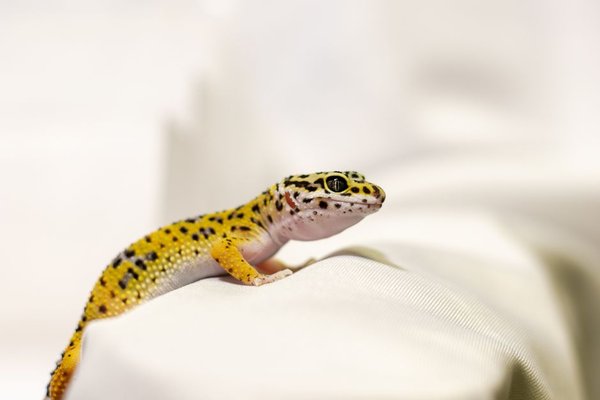
Leopard geckos have a reputation for being easy beginner reptiles, but their comfort depends on details you cannot see at a glance: the temperature beneath a hiding place, the moisture inside a shedding shelter, and the nutrients carried by their insects. Get those basics right, and these curious, mostly ground-dwelling lizards can thrive for many years. This leopard gecko care guide explains what to prepare before bringing one home and how to spot problems early.
Start With a Suitable Leopard Gecko Tank Setup
Choose a secure, well-ventilated enclosure with generous floor space. Although smaller tanks are sometimes advertised as adequate, a habitat around 90 x 45 x 45 cm (36 x 18 x 18 inches) offers an adult more room to explore and maintain a useful temperature gradient. Bigger is welcome when heating and shelter are arranged properly.
Provide at least three enclosed retreats: a warm hide, a cool hide, and a humid hide. Add stable rocks, cork, and low climbing features without creating dangerous falls. Keep the water bowl accessible and avoid putting the enclosure in direct sunlight or beside a radiator.
Prepare the entire setup before getting your gecko. Run the heating and lighting for several days, recording temperatures at both ends. This trial period reveals problems without putting an animal at risk.
Heating: Give Your Gecko a Choice
Leopard gecko heating should create a warm area and a noticeably cooler retreat, not make the whole tank the same temperature. The RSPCA describes a daytime basking zone around 28–30°C (82–86°F) and a cool end around 24–26°C (75–79°F). A flat piece of slate beneath an appropriate overhead heat source provides a warmed surface.
Connect heating equipment to a compatible thermostat and protect the gecko from direct contact with hot bulbs. Use digital probes at both ends and an infrared thermometer to check basking surfaces. A thermostat setting is not a substitute for measuring actual conditions.
Switch visible heat lights off at night. If the room falls below roughly 18°C (64°F), provide thermostatically controlled, lightless supplemental heat. Avoid heated rocks, which can burn reptiles.
Lighting and UVB
Being active mainly at dawn and dusk does not mean leopard geckos benefit from permanent darkness. Establish a consistent day-night cycle, roughly 12 hours each, and consider a suitable low-output reptile UVB lamp with shaded areas for retreat. Follow the bulb manufacturer’s placement and replacement instructions; glass and mesh can alter UVB exposure. Turn lights off overnight.
Humidity and a Reliable Shedding Hide
Keep the general enclosure fairly dry, commonly around 30–40% humidity, while providing a separate damp microclimate. A covered hide containing moist moss or paper towel helps loosen old skin without soaking the entire tank. Check the material regularly so it stays damp, not dirty or waterlogged.
Before a shed, your gecko may look pale and retreat more often. Many eat their shed skin, so you may never find it. Inspect toes and the tail tip afterward. If skin remains tightly stuck, especially near the eyes or toes, consult a reptile veterinarian rather than pulling it off.
Choosing Safe Leopard Gecko Substrate
For a newly acquired gecko, paper towel is a practical temporary floor covering: it makes droppings easy to monitor and lets you see whether the animal is feeding normally. Textured slate and other secure, easy-to-clean surfaces also provide useful grip.
For a healthy, established adult, an appropriately prepared natural soil-and-sand mixture may support digging. Avoid calcium sand, sharp builder’s sand, loose wood chips, and other inappropriate particles. Loose substrate is not automatically the cause of every digestive blockage; inadequate heat, dehydration, illness, and accidentally swallowed material can all play a role. If your gecko stops passing droppings or strains, seek veterinary advice.
A separate guide to leopard gecko substrate options can help when you are ready to move beyond a simple quarantine setup.
Build a Varied Leopard Gecko Diet
Leopard geckos are primarily insect eaters. Rotate appropriately sized live crickets, roaches where legal, locusts, and other suitable feeder insects rather than relying on one food. Waxworms are fatty treats, not everyday staples. Avoid wild-caught insects that may carry pesticides or parasites.
Feed the insects nutritious food before offering them to your pet, a practice called gut-loading. Dust feeders with reptile calcium and vitamin supplements according to a schedule suited to the animal’s age, diet, and UVB exposure. Too little calcium is dangerous, but excessive supplementation can also cause problems. A reptile vet can help refine the plan.
Juveniles generally need feeding more often, often daily; healthy adults commonly eat every other day or less frequently depending on condition. Monitor body weight and tail fullness rather than treating an insect count as a universal rule. Remove uneaten live insects and provide fresh water in a shallow dish every day.
A Simple Feeding Example
Suppose an adult gecko ignores dinner after moving house. First check the warm and cool temperatures, confirm the humid hide is usable, and minimize disturbance. Offer appropriate insects again at its normal active time. A brief appetite change can accompany stress or shedding, but persistent refusal, weight loss, or lethargy warrants a veterinarian.
Handling, Cleaning, and Health Checks
Give a new leopard gecko several quiet days to settle. When it approaches calmly, let it walk onto your open hands while supporting all four feet. Keep sessions brief and close to a safe surface. Never lift it by the tail: leopard geckos can drop their tails when frightened.
Spot-clean droppings promptly, change water daily, and wash feeding equipment. Periodically disinfect the enclosure with a reptile-safe product, rinsing and drying as directed. Wash your hands after handling reptiles or their habitat because they can carry Salmonella.
Record appetite, weight, activity, and shedding. Bright eyes, normal movement, and a well-proportioned tail are reassuring; swollen limbs, trembling, breathing difficulty, retained shed, weight loss, or unusual droppings need professional assessment. Find an experienced reptile veterinarian before an emergency arises.
Frequently Asked Questions
Are leopard geckos good pets for beginners?
They can be, provided you can maintain the correct environment, feed live insects, and budget for veterinary care over a possible 10–20-year lifespan. They are relatively manageable reptiles, not maintenance-free pets.
Do leopard geckos need a heat lamp at night?
Not routinely. Nighttime cooling is normal. If room temperatures become too low, use controlled heat that produces no visible light, rather than leaving a bright basking bulb on.
Can two leopard geckos live together?
Housing them separately is safest. Even apparently calm geckos can compete for food, hides, and basking spots, leading to stress or injuries.
How often do leopard geckos shed?
There is no fixed schedule. Young geckos generally shed more frequently than adults. Focus on complete shedding and healthy skin rather than counting the days between sheds.
Make Consistency Your Care Routine
Successful leopard gecko care is less about buying elaborate decorations and more about checking the essentials consistently. Measure both temperature zones, keep the humid hide ready, vary nutritious feeders, and watch your gecko’s behavior. A thoughtful setup and a few minutes of daily observation make the biggest difference.