

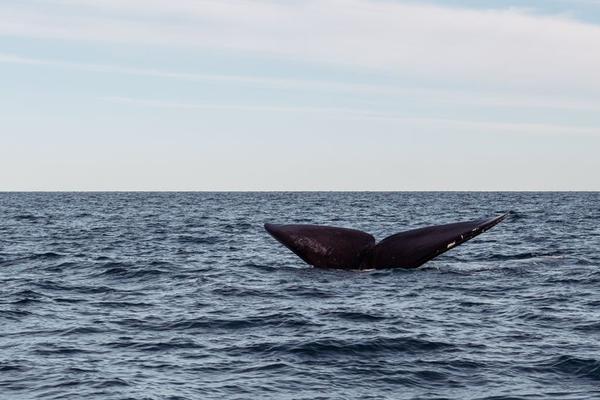
Which whales might you encounter around the United States? The answer depends on the season, water depth, and available food. A gray whale passing California follows a different routine from a humpback visiting Hawaii or a bowhead navigating Alaskan sea ice. This guide explores the main types of whales in US waters, where they live, and why their habitats differ.
Why whales use different American waters
The Atlantic, Pacific, Arctic, and Gulf of Mexico offer everything from shallow feeding shelves to deep submarine canyons. Cold, nutrient-rich water supports krill and schooling fish. Sheltered, warmer areas can provide breeding and calving habitat. Some whale species in the USA visit seasonally; others remain in a particular region throughout the year.
Baleen whales filter small prey through comb-like plates. Toothed whales, including sperm whales and orcas, actively hunt fish, squid, or marine mammals. Food preferences partly explain why different species occupy neighboring but distinct habitats.
Whales along the Pacific Coast
Gray whales: coastal migrants
Gray whales travel between Arctic feeding grounds and breeding lagoons in Baja California, Mexico, passing Washington, Oregon, and California. Southbound migration usually runs from late fall into winter, with northbound whales returning through spring. Look for mottled skin, barnacles, and low bumps along the back instead of a prominent dorsal fin.
Not every gray whale completes the full route. A smaller Pacific Coast feeding group spends summers between southeastern Alaska and northern California.
Blue whales and fin whales
Blue whales, the planet’s largest animals, feed largely on krill. Along California, they gather in productive feeding areas, particularly during summer and fall. Their elongated blue-gray bodies and comparatively small dorsal fins distinguish them from humpbacks.
Fin whales inhabit both Pacific and Atlantic waters. These fast, slender baleen whales eat krill and schooling fish; their lower jaw has distinctive asymmetrical coloring. Food shifts affect where both giants appear, often well beyond the surf line.
Humpbacks, minkes, and orcas
Humpbacks feed from California to Alaska, sometimes lunging through schools of small fish. Long pectoral flippers and frequent tail displays help with identification. Depending on their population, North Pacific humpbacks may breed in winter near Hawaii, Mexico, or Central America.
Smaller minke whales also inhabit Pacific waters but can be elusive at the surface. Orcas, or killer whales, are toothed members of the dolphin family. Around the Pacific Northwest and Alaska, fish-eating resident orcas, marine-mammal-hunting Bigg’s or transient orcas, and offshore populations use overlapping habitats but follow different prey.
Whales of the Atlantic Coast
North Atlantic right whales
Endangered North Atlantic right whales feed in New England and Canadian waters. Some migrate to calving grounds off the southeastern United States in winter, particularly near Georgia and Florida. They lack a dorsal fin and have raised skin patches called callosities. Busy shipping lanes and fishing gear create serious risks along their migration routes.
Humpback, fin, minke, and sei whales
The Gulf of Maine, including waters off Massachusetts, supports humpbacks, fin whales, and minkes attracted by abundant prey. Humpbacks may dive repeatedly where sand lance or herring congregate. Fin whales show a streamlined profile; minkes are smaller and often surface briefly.
Sei whales also occur in the North Atlantic, commonly in deeper offshore areas. Their less predictable coastal appearances illustrate why whale habitats cannot be understood from coastline maps alone.
Sperm whales in deep water
Sperm whales are toothed, deep-diving hunters of squid and other prey. They inhabit Atlantic offshore waters, including submarine canyons and continental slopes. Their huge square-shaped heads and forward-angled blows set them apart. A routine beach sighting is unlikely.
Alaska’s Arctic and subarctic specialists
Bowheads and belugas
Bowhead whales inhabit icy northern waters, especially around the Bering, Chukchi, and Beaufort seas. Unlike tropical-migrating humpbacks, they remain in Arctic and subarctic environments. A thick layer of blubber, a strongly arched head, and baleen feeding suit these cold habitats.
Belugas occupy Alaskan coastal waters, including Cook Inlet and Bristol Bay. Their pale coloring, rounded foreheads, and lack of dorsal fins are unmistakable. They sometimes feed near estuaries and river mouths. The endangered Cook Inlet population is particularly sensitive to local disturbance.
Alaska is also home to extremely rare North Pacific right whales, primarily associated with the Bering Sea and Gulf of Alaska. Their presence does not make a sighting likely.
Hawaii and the Gulf of Mexico
Hawaii is best known for wintering humpbacks that arrive to mate, give birth, and nurse calves. Many feed much farther north during other seasons. Deep-water species such as sperm whales can also occur around the Hawaiian Islands, though sightings follow different patterns.
The Gulf of Mexico has a remarkable resident: Rice’s whale. Previously classified with Bryde’s whales, it was recognized as a distinct species in 2021. It lives year-round in the Gulf, with many detections near the northeastern shelf break. Its very small population is vulnerable to vessel strikes, underwater noise, and other threats. Sperm whales also inhabit deeper Gulf waters.
How to choose a whale-watching destination
Compare three scenarios: watch for migrating gray whales from a California headland in winter or spring; take a responsible summer tour off Massachusetts for feeding whales; or visit Hawaii during winter humpback season. Each place offers a different experience, and sightings are never guaranteed. Check recent local reports and sea conditions before traveling.
Stay at the legally required distance, never pursue animals, and avoid separating mothers from calves. Rules vary by species and location. For further reading, explore whale migration routes, baleen versus toothed whales, and responsible whale watching.
Frequently asked questions
What whales are most commonly seen in US waters?
It varies by coast. Gray whales are familiar seasonal visitors along the Pacific, humpbacks appear in several feeding and breeding regions, and humpbacks, fin whales, and minkes are seen on some Atlantic whale-watching trips.
Are orcas actually whales?
Yes. Orcas are called killer whales and belong to the dolphin family, a branch of toothed whales. They occur around Alaska and the Pacific Northwest and elsewhere in American waters.
Do whales live in the Gulf of Mexico?
Yes. Rice’s whales live there throughout the year, while sperm whales inhabit deeper Gulf waters. Neither should be expected routinely from shore.
Which state offers the widest range of whale habitats?
Alaska is especially varied, with coastal inlets, offshore feeding grounds, and Arctic seas that support belugas, bowheads, gray whales, humpbacks, orcas, and other species.
A coastline full of different whale stories
Whales in American waters include coastal migrants, deep-diving hunters, tropical breeders, and ice-adapted residents. Recognizing their different habitats makes encounters more meaningful and shows why protecting varied marine environments matters.