

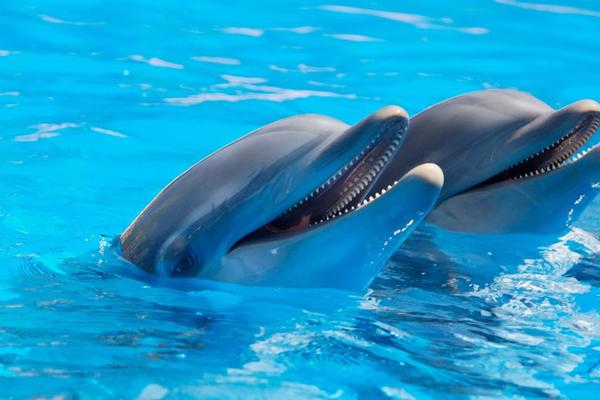
What do dolphins eat? Mostly fish and squid, although some species also catch shrimp, crabs, and other small aquatic animals. Their menu is surprisingly flexible. A dolphin hunting in a shallow bay may pursue mullet near a sandbar, while one living offshore may follow squid and small fish through deeper water. The key is not a single favourite food but what nutritious prey is available where the dolphin lives.
That variety makes the dolphin diet a useful window into marine life. Where dolphins search, when they feed, and how they catch dinner all reveal something about the surrounding habitat and its food chain.
What Foods Make Up a Dolphin’s Diet?
Dolphins are carnivorous mammals. They eat other animals rather than seaweed or marine plants, and most catch live prey. Common foods include schooling fish such as sardines, anchovies, and herring; larger fish such as mullet or mackerel; squid; and, in some habitats, shrimp and crabs. Exactly which prey dominates depends on the species and local conditions.
Fish are particularly important because many species form schools that dolphins can locate and pursue efficiently. Squid are valuable prey too, especially in offshore waters. Crustaceans are part of the menu for some dolphins, but it would be misleading to suggest that every dolphin regularly eats all these foods.
Despite having numerous pointed teeth, dolphins generally do not chew their meals. They grip slippery prey and swallow it, often whole. Bottlenose dolphins commonly swallow fish headfirst, helping the fins and spines pass more smoothly.
What Bottlenose Dolphins Eat
Bottlenose dolphins are adaptable hunters found in bays, estuaries, coastal waters, and the open ocean. They eat a mixture of fish, squid, and sometimes crustaceans. A resident dolphin in an estuary may have different feeding opportunities from a bottlenose dolphin roaming offshore, even though both belong to the same species.
This helps explain why a simple list of dolphin prey can never tell the whole story. Local fish populations, tides, water depth, and seasonal movements influence what an individual animal can catch. Some bottlenose dolphins become especially skilled at particular techniques suited to their home waters.
How Diets Differ Among Dolphin Species
Spinner dolphins
Many spinner dolphins feed mainly at night. They hunt small fish, squid, and shrimp associated with deeper waters. As these animals migrate upward after dark, spinner dolphins can reach prey that would be much harder to find during daylight hours. Around Hawaii, spinner dolphins often rest in sheltered coastal areas by day and travel to feed at night.
Common dolphins
Common dolphins frequently target small schooling fish and squid. Their specific catches differ across regions and seasons. Studies of short-beaked common dolphins have also shown that energy-rich prey can matter more than simply eating whichever fish is most abundant.
River dolphins
Not all dolphins live in saltwater. Indus river dolphins hunt fish such as catfish and carp, as well as prawns, in murky freshwater. Their dependence on sound for finding prey shows how strongly a habitat can shape feeding behaviour. Amazon river dolphins likewise feed on freshwater fish, including catfish.
How Dolphins Hunt and Catch Their Food
Herding schools of fish
One of the most striking dolphin hunting methods involves cooperation. Several dolphins may surround a school of fish, compressing it into a tight group. Individuals can then rush through to grab prey. This does not mean all dolphin hunts are coordinated: many dolphins also forage alone.
Using shorelines and shallow water
Bottlenose dolphins sometimes drive fish toward sandbars, seawalls, or other barriers that limit escape routes. In certain South Carolina estuaries, dolphins even use strand feeding: they push fish onto muddy banks and briefly slide partly out of the water to collect them. This specialised behaviour is not typical of every dolphin population.
Finding hidden prey
Dolphins use hearing, sight, and echolocation to locate food. With echolocation, they send out clicking sounds and interpret returning echoes to learn where objects are. Some bottlenose dolphins in Shark Bay, Australia, carry marine sponges on their snouts while searching the seafloor, apparently protecting themselves as they disturb hidden fish. Such learned skills can be passed between generations.
For a closer look at how these sensory abilities work, explore dolphin echolocation and the role of underwater sound.
Why Habitat and Ocean Food Chains Matter
A dolphin’s prey is connected to an entire ecosystem. Small fish may feed on plankton or smaller animals; squid and larger fish eat other marine organisms; dolphins then consume some of those fish and squid. Dolphins are predators, but they can also be prey for large sharks and, in some regions, orcas.
Changes lower in the food web may alter where dolphins forage. If suitable fish become scarce in an area, dolphins may spend more time searching, switch prey, or move elsewhere. Pollution and fishing pressure can also affect prey availability and expose predators to risks.
Next time you see dolphins moving repeatedly through the same patch of water, watch from a safe distance for circling, quick dives, or seabirds gathering nearby. These can be clues that fish are present, although they do not prove a hunt is happening. Learning about marine food chains makes those observations more meaningful.
Should People Feed Wild Dolphins?
No. Feeding wild dolphins can teach them to approach boats and fishing equipment instead of finding food naturally. That increases risks from propellers, hooks, and entanglement, and can interfere with calves learning to forage. In the United States, feeding wild dolphins is prohibited under federal marine mammal protection rules. Observe from a respectful distance and never offer bait or leftovers.
Frequently Asked Questions
Do dolphins eat sharks?
Fish and squid are far more typical dolphin prey. Some large members of the oceanic dolphin family, such as orcas, have much broader diets that can include sharks. Ordinary bottlenose dolphins are not generally shark hunters.
Do dolphins eat jellyfish or seaweed?
Seaweed is not a normal food for dolphins because they are carnivores. Jellyfish are not a standard part of the diets of familiar species such as bottlenose dolphins. Their usual food is fish, squid, and occasionally crustaceans.
How do baby dolphins eat?
Young calves drink milk from their mothers because dolphins are mammals. As they grow, they begin learning to capture prey and gradually transition to eating fish and other foods suited to their species.
Do dolphins hunt at night?
Some do. Spinner dolphins are particularly well known for nighttime feeding on prey that rises from deeper waters. Other dolphins may hunt by day, at night, or at both times, depending on the location and available food.
The Takeaway
So, what do dolphins eat? Fish and squid form the core of many dolphin diets, with crustaceans contributing for certain species and populations. The more revealing question is how each dolphin gets its food. Cooperative fish herding, nighttime offshore foraging, and inventive shallow-water tactics show how closely dolphin behaviour is tied to habitat. Understanding those connections helps explain both the dolphins themselves and the ecosystems they depend on.