

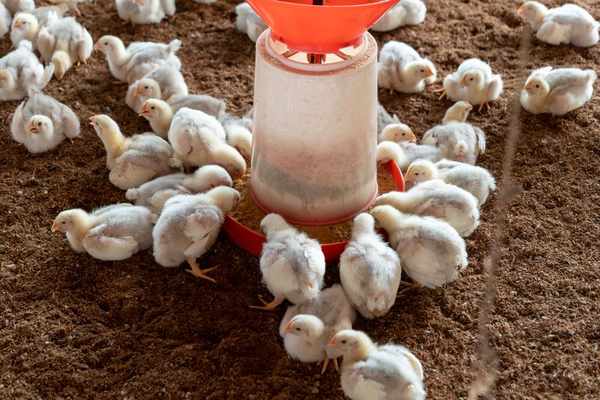
A chicken racing toward the kitchen door looks ready to eat almost anything. That enthusiasm can make leftover vegetables, fruit peels and bits of dinner seem like an easy way to reduce waste. But chickens cannot safely eat every food people leave on their plates.
The useful question is not simply which scraps a chicken will swallow. It is which foods chickens should not eat, which are acceptable occasionally, and whether those extras leave enough room for the nutrients a flock actually needs.
Start With Complete Feed, Not the Scrap Bucket
A balanced commercial poultry ration should supply most of a backyard flock diet. Choose a feed suited to the birds’ age and purpose, such as chick starter for young birds or layer feed for laying hens. Fresh water must always be available. Treats cannot reliably replace the carefully balanced protein, vitamins and minerals in complete feed.
University extension guidance commonly recommends keeping treats and chicken scraps to no more than about 10% of daily intake. Think of that as a ceiling, not a target. Birds that fill up on bread or vegetable trimmings may eat less feed, even though they still appear hungry for treats. A practical next step is learning how much to feed laying hens before adding extras.
Foods Chickens Should Not Eat
Avocado, Especially Skin, Pit and Leaves
Avocado contains persin, a substance associated with heart damage in susceptible birds. The leaves, skin and pit are particularly concerning. Chickens may be less sensitive than some pet birds, but that does not make avocado waste a sensible treat. Avoid offering any part rather than trying to separate a supposedly safe portion.
Chocolate and Cocoa Products
Chocolate contains theobromine and caffeine, compounds that can affect the heart and nervous system. Cocoa powder and dark chocolate are especially concentrated sources. Keep chocolate cake, brownies, candy and cocoa-containing leftovers out of the run. The small amount hidden in a dessert is not a reason to experiment with a flock’s tolerance.
Raw, Dried or Undercooked Beans
Uncooked beans, particularly some common varieties such as kidney beans, contain lectins that can be harmful. Proper cooking reduces this risk. Do not tip dried beans, soaked-but-uncooked beans or undercooked bean dishes into the feeder. Plain, thoroughly cooked beans can be given in small quantities, but should not displace regular feed.
Green Potatoes, Sprouts and Certain Plant Leaves
Green or sprouting potatoes may contain elevated glycoalkaloids, including solanine. Discard green peels, sprouts and suspect potato pieces rather than feeding them to chickens. Also keep potato, tomato and eggplant foliage out of their reach. The distinction matters: ripe tomato flesh and small amounts of plain, properly cooked potato are not the same as toxic plant parts.
Rhubarb Leaves
Rhubarb leaves contain high levels of oxalates and should not be offered as scraps. If you grow rhubarb, protect the plants from curious birds instead of assuming chickens will avoid the leaves naturally. It is simpler to leave all rhubarb trimmings out of the treat bucket.
Moldy, Rotten or Questionable Food
A moldy slice of bread is not rescued by giving it to chickens. Some molds produce mycotoxins that can damage poultry health, and removing the visible patch does not guarantee safety. Throw away spoiled produce, musty grain and damp, clumped feed. Store feed in a dry, secure container and clean feeders before old material accumulates.
Alcohol, Coffee Grounds and Very Salty Foods
Alcohol and caffeine-containing drinks or grounds have no place in poultry feed. Avoid heavily salted crisps, seasoned takeaway leftovers and concentrated salty sauces too. These foods add unnecessary risks without offering the balanced nutrition chickens require.
Foods That Are Better Limited Than Banned
Not every questionable scrap belongs on a list of toxic foods for chickens. Bread, pasta, rice and other plain starches may be eaten in small amounts, but offer little advantage over complete feed. Rich, greasy or sugary leftovers can upset the balance of the diet. Strongly seasoned dishes and large amounts of onion or garlic are best avoided; a tiny accidental trace in mixed leftovers is different from deliberately feeding a large portion.
Fruit is another example. Banana, melon and seedless apple pieces can be safe treats for chickens when fresh and chopped appropriately. Remove apple cores and seeds as a precaution. A little citrus is not automatically poisonous, despite claims found in some online lists, but it should never become a major part of the ration.
A Simple Kitchen-Scrap Routine That Works
Try sorting leftovers into three groups before carrying anything outside. Put avocado, chocolate, raw beans, unsafe plant parts and spoiled food in the household waste. Set aside salty, greasy or sugary dishes rather than trying to rinse them into acceptable treats. Keep only fresh, plain produce or modest portions of properly cooked foods for the chickens.
For example, after preparing vegetable soup, a few clean carrot ends and washed leafy greens may be suitable. The onion-heavy, salty soup left in the pot is not. Cut scraps into manageable pieces, offer only what the birds will finish quickly and remove leftovers so they do not spoil or attract rodents. A separate guide to safe vegetables for chickens can help make this sorting habit easier.
What If a Chicken Eats Something Unsafe?
Remove the remaining food immediately and identify what was eaten, approximately how much and when. Contact a veterinarian familiar with poultry promptly after suspected exposure to avocado, chocolate, raw beans or another potential toxin. Do not wait for obvious symptoms or try to induce vomiting. Weakness, breathing difficulty, tremors, unusual behaviour or sudden refusal to eat warrant urgent attention.
Frequently Asked Questions
Can chickens eat cooked rice?
Yes. Small portions of plain cooked rice are generally acceptable, though rice should not replace complete feed. The claim that dry rice inevitably expands and kills chickens is a myth; nutritional balance is the more useful concern.
Can chickens eat tomato scraps?
Ripe tomato flesh is generally fine in moderation. Avoid feeding tomato leaves and stems, and keep birds away from potato and other potentially harmful nightshade foliage.
Are eggs and eggshells safe for chickens?
Plain cooked eggs can be offered occasionally. Laying hens may also benefit from appropriately prepared oyster shell offered separately as a calcium source. Avoid giving extra calcium supplements to chicks or non-laying birds without appropriate guidance.
How many treats should chickens get each day?
Keep extras below roughly 10% of what the flock eats, and less is often better. Watch whether birds still consume their normal ration. For growing chicks, prioritize a complete starter diet rather than experimenting with kitchen scraps.
Keep the Flock Safe Without Overcomplicating Feeding
A backyard flock does not need a different leftover every day. Consistent complete feed, clean water and a few carefully chosen extras are enough. Once you recognize the genuinely hazardous foods and the less nutritious ones worth limiting, sharing kitchen scraps becomes simpler, safer and far less wasteful.