

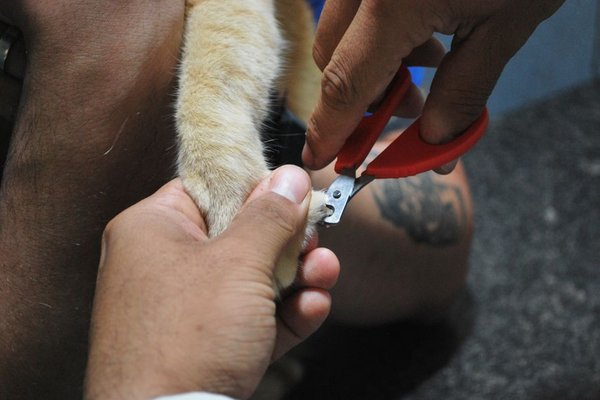
Trimming a cat’s nails can feel intimidating, especially when you know there is a sensitive blood vessel inside each claw. With the right clippers, good lighting, a calm setup, and a willingness to stop before your cat becomes stressed, most owners can learn to remove the sharp tips safely at home.
The goal is not to make the claws extremely short. You are simply taking off the narrow, hooked tip while staying well clear of the quick, the pink area containing nerves and blood vessels. Small, comfortable trims are safer than trying to take off too much at once. As part of routine cat claw care, the job is closer to a quick cat pedicure than a major grooming session.
What You Need Before You Start
Choose nail clippers for cats that feel comfortable in your hand. Small scissors-style pet clippers are popular because they give good visibility around the claw. Make sure the blades are clean and sharp, because dull clippers can crush or split the nail.
Have a few high-value treats nearby, plus a towel if your cat relaxes when gently wrapped. Keep styptic powder within reach in case you accidentally nick the quick. Good lighting helps you see the quick.
If your cat is new to nail handling, spend a few short sessions touching the paws, gently pressing a toe pad to extend one claw, rewarding your cat, and then stopping. This preparation can make the actual trim much less stressful. For related reading, see cat grooming basics.
How to Trim Cat Nails Safely at Home
Step 1: Pick a Calm Moment
Choose a time when your cat is relaxed, such as after a meal, play session, or nap. Avoid trimming when your cat is excited, hiding, irritated, or already resisting handling. Sit somewhere stable with good light and minimal noise.
Step 2: Hold the Paw Gently
Take one paw without squeezing it tightly. Place your thumb and finger around a toe, then gently press the paw pad so the claw extends. If your cat pulls the paw away, release the pressure instead of gripping harder. The aim is cooperative handling, not restraint by force.
For example, if your cat lets you extend one claw but then flicks the tail and turns toward your hand, release the paw and offer a treat. That may be the entire session. Finishing after one calm interaction is better than forcing several claws and teaching your cat that nail trims are unpleasant.
Step 3: Find the Quick
Look at the extended claw from the side. In a clear or pale nail, the quick usually appears as a pink area through the thicker part of the claw. Do not cut into it. Your target is the sharp, curved, translucent tip beyond the quick.
When visibility is poor, trim conservatively. Removing only the hook is enough. If a claw is dark, thick, distorted, or difficult to see through, take off only a tiny tip or ask a veterinarian or groomer to demonstrate the safest point to cut.
Step 4: Clip Only the Sharp Tip
Position the clipper around the thin end of the nail, leaving a comfortable margin before the quick. Make one clean cut, release the toe, and reward your cat. Do not chase a perfectly short nail; removing less is safer.
If your cat remains relaxed, continue to another nail. If the body becomes tense, the ears flatten, the tail starts twitching sharply, the pupils widen, or your cat tries to leave, stop. Stress signals are a cue to end the session, not a reason to work faster.
Step 5: Work in Small Sessions
You do not need to trim every claw in one sitting. For a nervous cat, one or two nails may be plenty. Over several days, gradually work up to one paw or more. For related coat care, see how to brush a cat without stress.
What If You Cut the Quick?
If you accidentally cut into the quick, your cat may react because it is painful, and the nail can bleed. End the session. Apply styptic powder according to the product directions and use gentle pressure if needed. Keep your cat calm while you monitor the nail.
A small nick often stops bleeding with basic first aid, but persistent bleeding, significant pain, swelling, or any injury that concerns you should be assessed by a veterinarian. Do not continue clipping after a quick has been cut.
How Often Should Cat Nails Be Trimmed?
The right schedule depends on the cat. Many indoor cats need a trim every few weeks, while some wear their nails down more through activity and scratching. Older or less active cats may need closer attention because nails can become thick, overgrown, and curved. A severely overgrown claw can press into the paw pad and needs veterinary care.
Check the paws regularly instead of relying only on the calendar. If the tips are needle-sharp, catching on fabric, or forming a pronounced hook, it may be time for another trim. Scratching posts are still important because scratching is normal claw-maintenance behavior. For more on claw-maintenance setup, see choosing the best scratching post for your cat.
When to Ask a Professional for Help
If your cat repeatedly bites, swats, panics, or fights restraint, stop attempting the trim. A veterinarian or experienced groomer can help and show you safer handling techniques. Cats with painful paws, injured claws, suspected infection, or nails growing into the pads should be examined rather than treated as routine grooming.
Frequently Asked Questions
Can I use human nail clippers on a cat?
They can sometimes be used on small cat claws, but many owners find small pet nail clippers easier to control. Whatever tool you choose should be sharp, clean, and easy to position without blocking your view of the quick.
How short should I cut my cat’s nails?
Only remove the sharp, hooked tip and leave a visible safety margin before the quick. There is no benefit to cutting as short as possible. Conservative trimming is safer and more comfortable.
What should I do if my cat will not stay still?
Stop before the situation becomes a struggle. Practice paw handling without clipping, reward calm behavior, and try again during a relaxed moment. If your cat continues to resist strongly, ask a veterinarian or groomer for help rather than using force.
Do scratching posts mean I can skip nail trims?
Not always. Scratching helps cats shed old claw layers and is an essential natural behavior, but many indoor, older, or less active cats still benefit from regular nail checks and occasional trimming.
A Calm Trim Is a Successful Trim
Safe cat nail trimming is less about speed and more about knowing when to stop. Use good lighting, extend one claw gently, identify the quick, and remove only the thin hooked tip. Reward cooperation and accept that one or two nails may be enough for a session. If the claws are overgrown, damaged, painful, or your cat becomes highly distressed, professional help is the safer choice.