

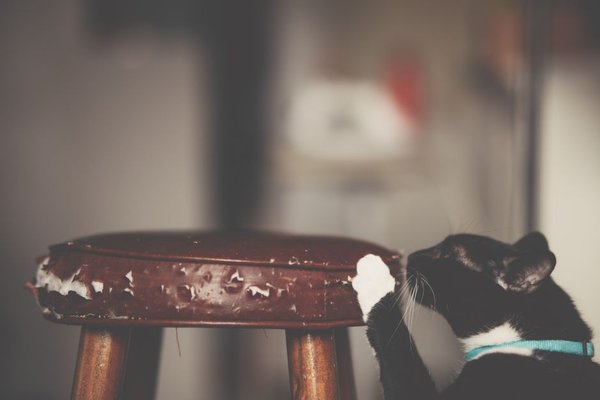
Few sounds make a cat owner move faster than claws working steadily into a sofa arm. The frustrating part is that your cat is not being spiteful. Scratching is a normal feline behavior used to stretch, maintain the claws, leave visible marks, and deposit scent. The goal is not to stop scratching completely, but to make an appropriate scratching surface more appealing than your furniture.
That approach is also far more humane than declawing. Declawing is not a nail trim; it involves removing the last bone of each affected toe. For unwanted furniture scratching, environmental changes and reward-based training are better first-line options. These seven strategies combine practical furniture protection with cat training tips that redirect the habit instead of punishing it.
Why Cats Choose Furniture
A sofa may accidentally offer everything a cat wants: a tall surface for a full-body stretch, resistance under the claws, a prominent location, and familiar household scents. Cats also often scratch after waking or near windows and doors. If a cat scratching post is hidden in a quiet corner while the sofa sits in the middle of the action, the sofa may simply be the better option from the cat’s point of view.
7 Humane Ways to Redirect Furniture Scratching
1. Match the Scratcher to Your Cat’s Style
Watch how your cat scratches before buying another post. A cat that stands upright and stretches high usually needs a tall, stable vertical post. A cat that rakes carpet may prefer a horizontal cardboard or sisal scratcher. Some cats like rope, cardboard, carpet-like textures, wood, or angled surfaces. Whatever you choose, it should stay steady during vigorous scratching and allow a comfortable stretch.
2. Put the Scratcher Where Scratching Already Happens
Location can matter as much as material. Place the new scratcher directly beside the furniture your cat targets. Other useful spots include beside a favorite sleeping area, near a window, or in a room where the family spends time.
For example, if your cat scratches the left sofa arm every morning after watching birds through a nearby window, put a tall sisal post flush beside that exact arm. Once the post is used reliably, move it only gradually if you want it elsewhere.
3. Reward the Right Choice Immediately
Positive reinforcement makes the alternative worth repeating. When your cat scratches the correct surface, reward the behavior right away with a small treat, play, praise, or another reward your cat enjoys. You can also make the post interesting with a toy or catnip if your cat responds to it.
Avoid grabbing your cat’s paws and dragging them down the post. Forced interaction can make the scratcher feel unpleasant. Let the cat investigate and choose it, then reinforce that choice.
4. Protect the Furniture While the Habit Changes
Training becomes easier when the old surface is temporarily less convenient. Cover the targeted sofa arm with a fitted furniture guard, smooth protective panel, or secure throw while keeping the preferred scratcher immediately beside it. Used this way, a scratching deterrent is simply management rather than punishment.
Protect the places your cat actually targets instead of covering every item in the room. Choose furniture protection that is secure, non-toxic, and free from loose parts your cat could chew or swallow.
5. Keep Claws Trimmed to Reduce Damage
Regular nail trimming will not remove the urge to scratch, but blunter tips can reduce damage from occasional mistakes. Trim only the sharp tip and avoid the sensitive quick. If your cat dislikes paw handling, begin slowly by touching a paw briefly, rewarding calm behavior, and ending before the cat becomes stressed.
A veterinarian or groomer can demonstrate safe trimming. Temporary claw caps may suit some cats as an additional measure, but they still need appropriate scratching outlets.
6. Reduce Stress and Provide More Activity
Scratching may increase when a cat is excited, frustrated, or stressed. Provide regular interactive play, climbing opportunities, resting places, hiding areas, and predictable routines. In multi-cat homes, spread out important resources so one cat cannot easily block another from food, water, litter boxes, resting spots, or scratchers.
If scratching suddenly increases along with hiding, aggression, house-soiling, overgrooming, or another behavior change, talk to a veterinarian. A sudden shift can sometimes be linked with stress, pain, or another health issue.
7. Skip Punishment and Stay Consistent
Shouting, hitting, chasing, or spraying a cat with water may interrupt scratching briefly, but it does not teach the desired alternative and can create fear. Reward-based redirection gives clearer information: this surface is worth using; that one is unavailable.
Keep the preferred scratcher accessible, reward good choices, and maintain temporary furniture protection until the cat repeatedly chooses the new surface. If progress stalls, reconsider the post’s height, texture, stability, and location before assuming your cat is refusing to learn.
When the Usual Fixes Are Not Working
If your cat ignores every scratcher, offer different orientations and textures rather than buying several identical posts. A worn scratcher should not automatically be discarded either; many cats like a familiar surface that already carries their scent and claw marks.
Age can also change preferences. A senior cat that once stretched vertically may move toward horizontal scratching if upward stretching becomes uncomfortable. Persistent or abruptly changed behavior deserves veterinary attention, especially when physical or behavioral symptoms appear at the same time.
FAQ
Can you completely stop a cat from scratching furniture?
You can often reduce furniture scratching dramatically, but scratching itself is a normal behavior. Redirect it to suitable posts, pads, or cat trees rather than trying to eliminate it.
What is the best scratching post for a cat that scratches a sofa?
Choose one that matches how your cat uses the sofa. For upward scratching, a tall, sturdy vertical post with a grippy surface such as sisal is a strong starting point. Put it beside the scratched area first.
How long does it take to train a cat to use a scratching post?
There is no fixed timetable. Some cats adjust within days, while others need several weeks of consistent placement, protection, and rewards. Convenience and repetition matter more than rushing the process.
Should I declaw my cat to protect furniture?
Declawing is not a routine nail trim and is opposed by major animal-welfare and feline veterinary organizations as a solution for unwanted scratching. Humane alternatives include suitable scratchers, reward-based training, nail care, enrichment, and temporary furniture protection.
Work With the Instinct, Not Against It
The most reliable way to save furniture is to give your cat a better place to perform a behavior they already need to express. Match the scratching surface to your cat’s preferences, put it in the right location, reward its use, and protect the furniture while the habit shifts. With consistent management and a low-stress environment, most households can greatly reduce destructive scratching without fear, punishment, or declawing.