

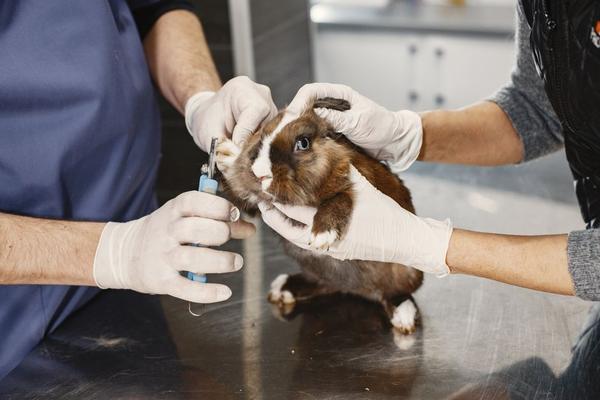
Finding the right veterinarian for a rabbit, guinea pig, hamster, rat, chinchilla, ferret, or other small companion animal is much easier before anything goes wrong. Many general veterinary clinics focus mainly on dogs and cats, and some do not routinely treat exotic mammals. If your pet suddenly becomes ill or injured, that is a poor time to discover that the nearest clinic cannot see your species.
A little preparation now can save valuable time later. The goal is not simply to find any clinic that says it accepts exotics. You want a veterinarian who regularly works with your type of animal, understands species-specific handling and husbandry, and can explain what happens after hours if an emergency occurs.
Start With Veterinarians Who Treat Your Species Regularly
The term “exotic pet vet” covers many animals, so narrow your search by species. A veterinarian who frequently treats rabbits may have far more practical experience with rabbit dental disease, digestion, and anesthesia than a clinic that sees only an occasional rabbit. The same principle applies to guinea pigs, rats, hamsters, chinchillas, and ferrets.
For exotic companion mammals in the United States, the Association of Exotic Mammal Veterinarians offers a Find a Vet directory. The American Board of Veterinary Practitioners also maintains a specialist directory, including veterinarians certified in Exotic Companion Mammal Practice. Board certification signals advanced credentialing, but a capable local veterinarian does not have to be board-certified to provide good routine care.
If you are searching for a “rodent vet near me,” use search results to build a short list rather than treating them as proof of expertise. Clinic websites and professional directories are useful, but a phone call is still one of the best ways to learn whether the doctor routinely treats your exact pet.
Call Before You Need an Appointment
Tell the receptionist exactly what species you own and ask whether a veterinarian on staff regularly treats that animal. Avoid asking only, “Do you see exotics?” because that can mean very different things from one clinic to another.
Ask About Real Experience
Ask how often the veterinarian sees your type of pet, whether routine wellness exams are available, and what common procedures the clinic handles. For a rabbit, you might ask whether the doctor regularly evaluates teeth, discusses diet and gastrointestinal health, and manages rabbit anesthesia when medically necessary. Questions like these can help you identify a genuinely rabbit savvy vet rather than a clinic that accepts rabbits only occasionally.
Ask about diagnostic and treatment capabilities too. Depending on the practice, useful services may include radiographs, blood testing, dental equipment, oxygen support, hospitalization, and surgery. A clinic does not need every advanced service on-site, but the team should be able to explain when and where it refers more complicated cases.
Check Credentials, Then Ask About Caseload
Veterinarians must be licensed in the jurisdiction where they practice. The American Association of Veterinary State Boards provides a route to state and provincial licensing boards, where owners can verify professional licensure and find official regulatory information.
Licensure alone does not tell you how many rabbits, rats, guinea pigs, or hamsters a veterinarian sees. Consider credentials together with practical experience. Professional memberships, continuing education, advanced certification, and a regular exotic mammal caseload are encouraging signs, but the most useful question is still straightforward: “How often does this doctor treat animals like mine?”
Create an Emergency Plan at the Same Time
Routine care and emergency care may happen at different hospitals. Some exotic practices offer daytime appointments but refer emergencies elsewhere. Your plan should therefore include both a primary veterinarian and a backup option for small pet emergency care.
Ask your regular clinic where it sends urgent cases after closing time and whether that hospital accepts your species. Then call the emergency hospital yourself to confirm. A 24-hour hospital may treat dogs and cats around the clock while offering exotic care only when certain veterinarians are on duty.
Consider a real-world example: your guinea pig becomes unusually quiet and refuses food on a Sunday evening. Instead of opening a search engine and calling clinics one by one while worried, you already have your primary clinic, its recommended emergency hospital, both phone numbers, and the driving route saved. Preparation turns a stressful search into a clear next step.
Book a Wellness Visit Before There Is a Crisis
Once you find a promising clinic, schedule a routine wellness exam. This lets you see how the team handles your pet, how comfortable the veterinarian is with species-specific questions, and whether communication is clear. It also establishes a medical record before an emergency occurs.
Bring notes about your pet’s diet, enclosure, bedding, supplements, medications, and normal behavior. Photos of the enclosure can also be useful because husbandry is closely tied to health in many small pets. A strong exotic veterinarian should be comfortable discussing prevention, not just treatment after something goes wrong.
This is also a good time to learn about small pet emergency warning signs, rabbit diet and digestive health if you own a rabbit, and how to prepare a small pet travel and emergency kit. These topics make natural follow-up resources because knowing your pet’s normal habits can make changes easier to notice.
Keep Your Vet Information Easy to Find
Save the clinic name, veterinarian’s name, daytime phone number, emergency number, address, and directions in your phone and in a second location. Keep a current medication list and important medical records with the same information. If a family member or pet sitter may need to act, make sure they know where everything is stored.
Review your plan periodically. Veterinarians move, clinic hours change, and emergency referral arrangements can be updated. A preparedness plan is useful only when the information is current.
FAQ
How do I know if a vet is experienced with rabbits or rodents?
Ask how often the veterinarian treats your exact species and what kinds of cases the clinic routinely manages. Directories and advanced credentials can help, but regular hands-on experience with your type of pet matters too.
Should I choose the closest exotic vet?
Not automatically. Distance matters in an urgent situation, but experience and available services matter as well. Many owners keep a preferred exotic veterinarian plus a closer emergency backup that has confirmed it accepts their species.
Do regular emergency hospitals treat small exotic pets?
Some do and some do not. Exotic coverage may even depend on which veterinarian is working that shift. Call ahead and ask whether your specific animal is accepted during nights, weekends, and holidays.
When should I find an exotic vet?
Ideally, soon after bringing your pet home. Establishing care during a routine visit gives you time to evaluate the clinic, ask questions, and create an emergency plan without the pressure of an active medical problem.
Be Ready Before You Need Help
The best time to find an exotic veterinarian is while your small pet is healthy. Start with reputable professional directories, confirm that the clinic regularly treats your species, ask direct questions about services and referrals, and identify an after-hours option. One routine visit and a saved emergency contact plan can prevent frantic searching later and help you reach appropriate veterinary care faster when it matters most.