

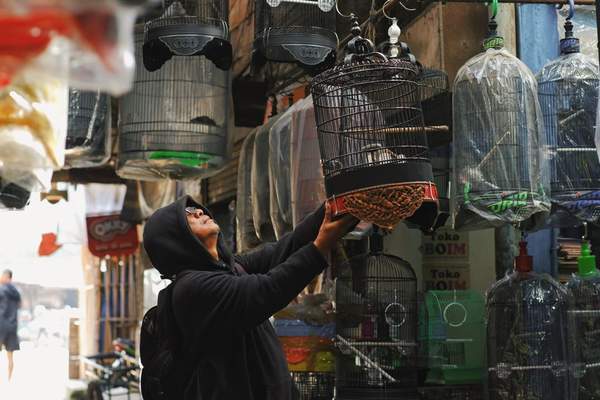
A clean cage is less about appearances and more about keeping everyday waste from building up where your bird eats, climbs, sleeps, and plays. Seed hulls, fresh food, feathers, dust, and droppings collect quickly, so a practical bird cage cleaning routine works best when divided into small daily jobs and a more thorough weekly reset. The goal is consistency, not constant scrubbing.
Build the Routine Around What Gets Dirty Fastest
The most useful bird cage cleaning schedule starts with the areas that become contaminated first: the cage liner, food and water dishes, favorite perches, and the floor around the cage. These spots also help you judge how much cleaning your particular bird needs. A small budgie may create less heavy food mess than a large parrot, while a bird that bathes in its water bowl may require extra bowl changes.
Good bird cage hygiene also makes changes easier to notice. A plain paper liner lets you see droppings clearly, and clean bowls make changes in appetite or water use more obvious. If droppings suddenly look very different, your bird becomes unusually quiet, or food intake changes, contact an avian veterinarian rather than assuming cleaning alone will solve the issue.
Daily Bird Cage Cleaning Routine
Change the Cage Liner
Replace disposable paper liners every day, or sooner if they become wet or heavily soiled. Plain paper, paper towels, or newspaper are practical because they are easy to remove and let you see droppings. Fold soiled material inward instead of shaking it, which helps keep dust and dried debris from becoming airborne.
Wash Food and Water Bowls
Food and water dishes should be cleaned daily with hot water and dish soap, then rinsed thoroughly. Fresh-food bowls may need washing after each serving, especially when they contain fruit, vegetables, cooked grains, or other moist foods. Refill water with fresh drinking water after cleaning. For better pet bird sanitation, avoid washing bird dishes in kitchen food-preparation sinks when possible. Use an outdoor wash area, utility sink, or another suitable location, and wash your hands afterward.
Spot-Clean Perches and Cage Surfaces
Remove fresh droppings and obvious food smears from frequently used perches, bars, doors, and tray edges. Dampen stuck material first instead of scraping dried droppings into the air. Warm water and a cloth or paper towel are often enough for a quick daily pass. If you use a bird-safe cleaner, follow its label and rinse surfaces your bird may touch with its feet or beak.
Clear the Floor Around the Cage
Seed shells and feathers outside the cage are normal. A washable floor mat or cage skirt can make cleanup easier. Use methods that limit airborne dust, and avoid spraying fragranced products, air fresheners, or strong cleaning chemicals near the cage because birds have sensitive respiratory systems.
A Practical Weekly Cleaning Reset
Once a week, move beyond spot cleaning and inspect the whole setup. Place your bird in a secure travel cage or another safe area before using cleaning products. Remove bowls, washable toys, grate sections, and removable perches. Wash away visible debris first, because disinfectants work best on surfaces that are already physically clean.
Scrub removable hard items with warm water and suitable soap, rinse them, and let them dry fully. Wipe cage bars, corners, tray rails, and areas behind dishes where residue accumulates. If a disinfectant is needed, use one appropriate for bird environments, follow the manufacturer’s dilution and contact-time directions, ventilate well, keep the bird away from fumes, and rinse thoroughly before reassembly. Never mix bleach with ammonia or other cleaners.
The weekly reset is also the time to check for frayed rope, cracked plastic, rust, sharp edges, loose hardware, and heavily soiled porous materials. Rope, fabric, and natural wood can be harder to clean thoroughly than smooth metal or plastic. Replace items that cannot be cleaned properly or that have become unsafe.
Make the Schedule Fit Your Bird
There is no single cleaning frequency that suits every cage. A pair of birds, a large parrot, a bird that eats plenty of fresh produce, or a cage with several favorite sleeping spots may need extra attention. Keep the daily tasks fixed, then adjust deeper cleaning based on visible soil, moisture, odor, and how quickly droppings accumulate.
For example, imagine a cockatiel that throws seed hulls, produces noticeable feather dust, and sleeps on the same upper perch each night. The owner can change the liner and wash bowls every morning, wipe the sleeping perch each evening, and do a fuller cage wash on Sunday. Because mess never has a week to harden, most daily cleaning takes only a few minutes.
Keeping a spare set of bowls and one or two replacement perches also makes the routine easier. Clean items can go straight into the cage while the used set is washed and dried. Useful related topics include a pet bird cage setup guide, a bird-safe toy guide, and advice on choosing suitable perches.
Cleaning Habits That Protect Both Bird and Owner
Wash your hands with soap and water after handling cage waste, bowls, toys, or perches, and do not pick up droppings with bare hands. Keep cage-cleaning equipment separate from tools used for human food preparation. Strong fumes deserve special caution: move the bird away before using disinfectants and return it only after surfaces are rinsed, dry, and the area is well ventilated.
Frequently Asked Questions
How often should I clean a bird cage?
Do small jobs every day: change soiled liner paper, wash food and water bowls, remove fresh waste, and tidy the area around the cage. Do a more thorough clean weekly, then schedule a full scrub and disinfection as needed for the cage, bird, and veterinary guidance.
Can I use household cleaners on a bird cage?
Some products release fumes or leave residues that can be unsafe around birds. Use products appropriate for the cage material and bird environment, follow label directions carefully, keep the bird away during cleaning, ventilate the area, and rinse thoroughly.
Should I clean bird bowls in the kitchen sink?
It is better to avoid food-preparation areas because cage equipment can carry germs. When possible, use an outdoor wash area, utility sink, or another non-kitchen location, then clean that area afterward.
What is the easiest way to keep a bird cage clean?
Prevent buildup. Replace liners daily, wash bowls before residue dries, dampen stuck droppings before wiping, and keep spare bowls or perches ready. Short, repeatable tasks are easier than waiting for the cage to become heavily soiled.
Keep the Routine Simple Enough to Repeat
The best bird cage cleaning routine is one you can follow without turning cage care into a major project. Daily liner changes, clean bowls, quick spot cleaning, and a regular weekly reset keep waste under control and make the enclosure easier to maintain. A consistently clean bird cage also helps you notice changes in droppings, appetite, behavior, and cage equipment sooner. With a predictable routine, bird cage hygiene becomes part of normal care rather than a chore saved for when the mess is already obvious.