

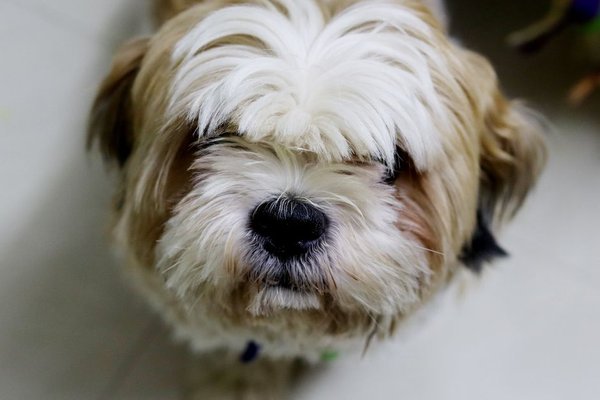
Living with dog allergies does not always mean giving up the idea of dog ownership. No breed is completely hypoallergenic. Dog allergens are proteins found in dander, saliva, and urine, and even hairless dogs produce them. However, some breeds shed less hair and may spread fewer loose skin flakes around the home, making them easier for some sensitive people to manage.
Breed selection is a starting point, not a guarantee. Reactions vary from person to person and even from one individual dog to another. Before committing, spend meaningful time indoors with the exact dog you may adopt, ideally on more than one occasion. For severe symptoms or allergy-related asthma, speak with an allergist first.
What Makes a Dog More Allergy-Friendly?
Dogs commonly described as hypoallergenic usually have low-shedding, curly, continuously growing, or hairless coats. These coats can hold loose hair and dander until grooming rather than releasing as much of it around furniture and floors. The trade-off is maintenance: many low-shedding dogs need frequent brushing, bathing, clipping, or professional grooming.
Do not choose on coat alone. Size, activity level, temperament, grooming costs, and time spent indoors all affect whether a breed will fit your household. The best allergy-friendly dogs are still dogs whose daily needs you can meet consistently.
12 Hypoallergenic Dog Breeds Worth Considering
1. Poodle
Available in Toy, Miniature, and Standard sizes, the Poodle combines a low-shedding curly coat with high intelligence and trainability. Poodles need regular clipping and mental stimulation. Their size range also gives allergy sufferers more flexibility when choosing a dog for an apartment or larger home.
2. Bichon Frise
The cheerful Bichon Frise has a soft, curly double coat that tends to retain shed hair rather than scatter it. This small companion breed is sociable and adaptable, but its coat mats easily without routine brushing. Professional grooming is usually necessary.
3. Miniature Schnauzer
Miniature Schnauzers are compact, alert, and generally low shedding. Their wiry coat requires clipping or hand-stripping, while the beard needs frequent cleaning because saliva and food can collect there. They are often a practical choice for people wanting a small, energetic watchdog rather than a lapdog alone.
4. Portuguese Water Dog
This athletic, curly-coated breed is best matched with an active household. Portuguese Water Dogs need substantial daily exercise, training, and regular coat care. They suit allergy sufferers who enjoy hiking, swimming, or other outdoor activities.
5. Maltese
The Maltese has long, silky hair and sheds relatively little, although the coat demands regular brushing and trimming. Many owners choose a shorter “puppy cut” to simplify maintenance. Small size makes the breed convenient for compact homes, but its closeness to people means allergens can still transfer through licking and frequent cuddling.
6. Chinese Crested
Chinese Cresteds come in hairless and coated Powderpuff varieties. The hairless type leaves less fur around the home, yet it still produces dander and saliva allergens. Its exposed skin also needs thoughtful care, including protection from sun, cold, dryness, and irritation.
7. Xoloitzcuintli
The Xoloitzcuintli, or Xolo, is available in hairless and coated varieties and in several sizes. The hairless variety can reduce fur-related cleaning, but it is not allergen-free. Xolos are attentive and benefit from early socialization. Skin care and temperature protection should be included in the ownership plan.
8. Bedlington Terrier
With its distinctive lamb-like appearance, the Bedlington Terrier has a crisp, curly coat that sheds minimally. Beneath the elegant look is an energetic terrier that needs exercise and positive training. Regular trimming is essential, and prospective owners should choose a responsible breeder who completes recommended health screening.
9. Kerry Blue Terrier
The Kerry Blue Terrier has a soft, wavy coat that does not shed heavily, but it needs frequent brushing and scheduled trimming. This medium-sized breed is lively and confident. Its strong terrier personality can be rewarding for experienced owners who provide consistent training, exercise, and early socialization.
10. Soft Coated Wheaten Terrier
Friendly and exuberant, the Soft Coated Wheaten Terrier has a silky coat with limited shedding. The coat can tangle quickly, making regular combing non-negotiable. Wheatens generally enjoy active family life and close contact with people, so allergy sufferers should test their reaction carefully before adoption rather than relying on the breed label.
11. Irish Water Spaniel
The Irish Water Spaniel is a strong, playful sporting dog with a dense, curly coat. It sheds less than many breeds but still requires brushing and periodic trimming. Because it is energetic and intelligent, it fits best with owners who can offer vigorous exercise, training games, and plenty of companionship.
12. Lagotto Romagnolo
Originally developed as a working water dog and later known for truffle hunting, the Lagotto Romagnolo has a dense, curly, low-shedding coat. It is bright, affectionate, and driven by scent, so enrichment activities are valuable. The coat needs regular trimming and careful maintenance to prevent matting.
How to Test Your Reaction Before Bringing a Dog Home
A practical trial is more useful than a breed reputation. Arrange two or three indoor visits with the specific dog, each long enough to include handling, play, and time in a furnished room. Wear normal clothing and notice symptoms later that day as well as during the visit. A foster-to-adopt arrangement can provide even better information where available.
Once a dog comes home, reduce exposure by keeping it out of the bedroom, washing bedding regularly, using a well-maintained HEPA air cleaner, vacuuming with suitable filtration, and asking a non-allergic household member to groom the dog outdoors when practical. Bathing may temporarily reduce surface allergens, but excessive washing can damage the skin, so follow veterinary grooming advice.
Frequently Asked Questions
Are any dog breeds completely hypoallergenic?
No. Every dog produces allergenic proteins through skin, saliva, and urine. “Hypoallergenic” is best understood as a convenient label for breeds that may shed less or be more manageable for some allergy sufferers.
Are hairless dogs better for people with allergies?
They remove much of the loose-fur problem, but they still release dander and saliva allergens. Some people tolerate them better, while others react just as strongly.
Do smaller dogs produce fewer allergens?
Size does not guarantee a mild reaction. Individual sensitivity, the dog’s habits, household cleaning, and bedroom access can matter more.
Should I choose a doodle mix for allergies?
A mixed-breed dog can inherit any combination of coat and shedding traits, so the result is not predictable. Meet the individual dog and evaluate your reaction rather than assuming a curly coat guarantees allergy compatibility.
Choosing the Right Dog, Not Just the Right Coat
Low-shedding breeds can widen the possibilities for people who are sensitive to dogs, but responsible selection requires more than finding a non-shedding coat. Compare grooming demands, energy levels, temperament, health needs, and your own reaction to the individual animal. A careful trial, an allergist’s guidance when symptoms are significant, and realistic household controls offer a far better foundation than the promise of an allergy-free breed.