

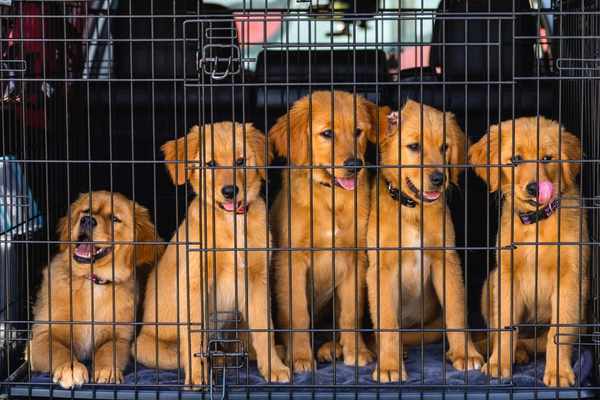
A new puppy rarely arrives with a ready-made routine. A puppy crate training schedule brings order to that unpredictability. The aim is not long confinement. It is to teach your puppy that the crate is a calm, comfortable place for naps, bedtime and short periods when you cannot supervise them.
Your puppy should learn to enter willingly, settle without fear and come out before they become distressed or need a toilet break. Pairing crate practice with puppy potty training supports a clearer new puppy routine.
Before Week One: Set Up the Crate
Choose a crate large enough for your puppy to stand, turn around, lie down and stretch. If you bought an adult-size crate, use a divider. Place it in a comfortable room, away from direct heat, cold draughts and constant foot traffic.
Add suitable bedding if your puppy does not chew or soil it, plus a safe chew. Keep the door secured open during the first introductions. Never push your puppy inside, use the crate as punishment or leave them to panic. The crate should predict food, rest and safety.
Week 1: Create a Positive Association
Focus on voluntary entry rather than duration. Toss a treat just inside, let your puppy collect it and allow them to leave. Gradually place treats farther inside, then begin feeding meals near the entrance and eventually inside the crate.
Once your puppy enters comfortably, close the door for one or two seconds while they are eating, then open it before they worry. Build to 30 seconds and then one or two minutes. Several easy successes are better than one long session.
A practical first-week rhythm
Take your puppy outside after waking. Give breakfast, wait a few minutes and go out again. Follow with gentle play, another toilet trip and a short crate nap. Repeat the pattern of toilet, activity and rest. Very young puppies may need a toilet opportunity at least every hour while awake, as well as after meals, drinks, play and naps.
Week 2: Practise Calm Closed-Door Time
Keep the door closed for slightly longer while you remain nearby. Offer a safe chew, sit quietly and open the door while your puppy is still calm. Start with two to five minutes and add time in small increments. Keep some sessions short so every repetition does not feel harder.
Introduce a cue such as “crate” just before your puppy walks in, then reward them. Plan sessions after exercise, play and a toilet break, when your puppy is naturally ready to rest.
Week 3: Add Distance and Brief Departures
Move around the room or step out of sight for a few seconds. Walk to the doorway, return and sit down. Later, leave for 10 seconds, then 30 seconds and eventually a minute.
Keep departures low-key. Put your puppy in after a toilet break, provide their usual safe item and leave without a long goodbye. Return quietly and open the door during a calm moment. If your puppy pants, scratches frantically or becomes increasingly distressed, return to an easier duration.
Week 4: Build a Reliable Nap Schedule
Use the crate for one or two predictable daytime naps rather than only when you leave home. This stops it becoming a signal that the family is disappearing.
A young puppy may be ready for a nap after roughly 45 to 60 minutes awake, although individuals differ. Zooming, nipping and loss of focus can mean your puppy is overtired. Take them outside, then guide them into the crate for a rest.
The age-in-months-plus-one guideline is only a rough maximum between toilet breaks, not a target for routine crating. An eight- to ten-week-old puppy may need to go much sooner, especially when awake or after drinking.
Weeks 5 and 6: Extend Time Carefully
Once your puppy regularly settles, increase selected sessions by five to ten minutes. Practise while you work in another room and include occasional short trips outside the home. Return before your puppy is desperate for the toilet.
A three-month-old puppy who has toileted, exercised and settled may manage a 30- to 60-minute crate nap, but every puppy is different. Track when your puppy eats, drinks, sleeps and toilets. Their real pattern is more useful than a rigid chart.
If you will be away longer than your puppy can manage, arrange for someone to provide a toilet break and interaction. A crate is not a substitute for exercise, companionship or training.
A Sample Daily Puppy Crate Training Schedule
Morning
Go outside immediately after waking. Offer breakfast, go outside again, then allow short play or training. After another toilet trip, use the crate for a morning nap.
Midday
Take your puppy outside as soon as they wake. Follow with lunch if included in their feeding plan, another toilet opportunity, supervised activity and a second rest. Add a short crate session while you remain home.
Evening and bedtime
Balance play with calm activities. Keep dinner consistent, go outside soon afterward and offer a final toilet break before bed. Place the crate near your bed initially so you can hear when your puppy needs to go out. Keep overnight trips quiet and return them to the crate without play.
Whining, Accidents and Setbacks
Whining may mean your puppy needs the toilet, feels frightened or is overtired. If they recently toileted and the whining is mild, pause briefly to see whether they settle. If it escalates or their last break was some time ago, take them outside calmly.
Never punish crate accidents. Clean thoroughly with a pet-safe enzymatic cleaner and adjust the schedule. The session may have been too long, the crate may be too large, or your puppy may need more frequent breaks. Repeated accidents, diarrhoea, straining or unusually frequent urination should be discussed with a veterinarian.
Frequently Asked Questions
How long should an eight-week-old puppy stay in a crate?
Start with only a few minutes of closed-door practice and use the crate mainly for short naps. An eight-week-old puppy needs frequent toilet breaks and should not be expected to stay crated for hours while awake.
Should I let my puppy cry in the crate?
Brief grumbling while settling is different from sustained distress. Do not ignore panic, frantic scratching, heavy panting or escalating vocalisation. Reduce the duration and rebuild the exercise in smaller steps.
Can a crate help with puppy potty training?
Yes, when it is correctly sized and paired with frequent toilet trips. Success still depends on taking your puppy outside after waking, eating, drinking and playing.
When can a puppy sleep through the night?
There is no single age. Bladder development, breed, size and individual habits all matter. Extend overnight intervals gradually and let your puppy’s dry nights guide the schedule.
A Routine That Grows With Your Puppy
A successful puppy crate training schedule is flexible, not mechanical. Begin with seconds, progress to minutes and build longer periods only when your puppy remains relaxed. Combine crate training tips with regular toilet trips, predictable meals, age-appropriate activity and positive interaction. With patient repetition, the crate becomes a useful part of daily life rather than a place your puppy fears.