

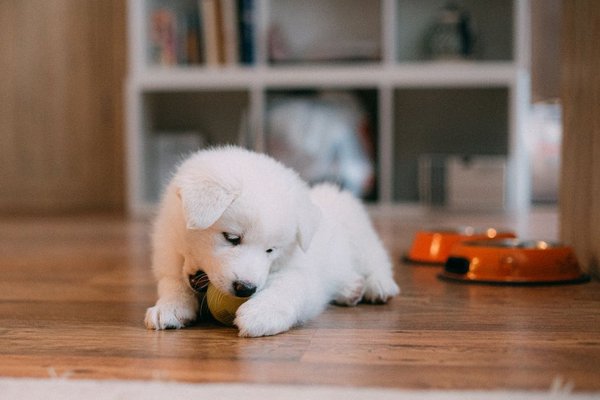
Puppy teeth may be tiny, but they can make playtime feel surprisingly intense. The good news is that puppy biting is usually normal developmental behaviour rather than aggression. Puppies explore with their mouths, practise social skills through play, and chew more when teething. Your job is not to punish the instinct out of them, but to teach two clear lessons: human skin is delicate, and toys are the right place for teeth.
Progress comes from consistency. Every family member should respond in roughly the same way, because mixed reactions can turn puppy nipping into an exciting game. The following eight techniques combine bite inhibition training, redirection, rest, and reward-based boundaries.
1. Stop the Game When Teeth Touch Skin
When your puppy bites hard enough to hurt, calmly end the interaction. Freeze your hands, stand up, and remove attention for about 10 to 20 seconds. You can step behind a baby gate or turn away. The message is simple: gentle play continues, but painful biting makes the fun stop.
A brief “ouch” may help some puppies, but high-pitched noises excite others. If your puppy becomes more animated, skip the sound and withdraw quietly. Avoid shouting, tapping the nose, holding the muzzle, or pushing the puppy away, as these reactions can create fear or add more movement to chase.
2. Redirect Biting to an Appropriate Toy
Keep a suitable toy within reach in the rooms where your puppy spends time. When teeth move towards your hands, sleeves, or ankles, present the toy and praise the puppy for taking it. Long tug toys are useful because they create distance between your fingers and a lively mouth.
Redirect before the puppy becomes frantic. For example, if your puppy usually grabs trouser legs when you walk through the kitchen, carry a soft tug toy and offer it before taking the first step. This turns a predictable problem into a rehearsed good choice.
3. Reward Calm, Gentle Mouth Behaviour
Owners often react strongly to biting but overlook moments when a puppy is behaving beautifully. Reward calm choices such as licking instead of biting, sitting for attention, carrying a toy, or resting beside you. A small treat, quiet praise, or continued play can reinforce these behaviours.
This is central to bite inhibition training. The goal is not merely to stop the mouth from being used; it is to help the puppy control pressure and choose safer ways to interact. Rewarding gentleness gives the puppy a clear answer to, “What should I do instead?”
4. Use Short Training Cues to Reset Play
Teach simple cues such as “sit,” “touch,” or “find it” during calm sessions. Later, use one when play begins to escalate. Ask for a sit, reward it, and restart with a toy. A brief training reset shifts the puppy from impulsive grabbing to thinking and responding.
Do not repeat cues when the puppy is too overstimulated to listen. At that point, a calm break is more effective. Positive puppy obedience training also gives you practical tools for managing jumping, chasing, and other excitable behaviour.
5. Provide Safe Relief for a Teething Puppy
A teething puppy has a genuine need to chew. Offer puppy-safe rubber toys, textured chews, or chilled items designed for dogs. Rotate them so they remain interesting, and choose products appropriate for your puppy’s size and chewing strength. Supervise new chews and remove anything that starts breaking into swallowable pieces.
Cold can soothe sore gums, but avoid objects that are rock-hard or likely to damage teeth. Furniture, shoes, and hands become less tempting when legal chewing options are easy to access. Puppy-proofing your home also removes tempting hazards before training is tested.
6. Prevent Overtired and Overstimulated Biting
Many puppies become mouthier when tired. A puppy who has been awake too long may race around, grab clothes, ignore toys, and bite harder. Instead of assuming the puppy needs more exercise, consider whether they need a toilet trip followed by quiet rest.
Build a predictable rhythm of play, training, meals, toilet breaks, and sleep. Use a pen, gated room, or comfortable resting area for calm downtime, but never use the crate as punishment. Gentle crate training can help a puppy settle without associating confinement with being told off.
7. Manage Children and Fast-Moving Situations
Running feet, waving hands, squealing, and loose clothing can trigger chasing and puppy nipping. Supervise all puppy-child interactions. Teach children to stand still, fold their arms, and call an adult rather than pulling away or wrestling. Use gates or a playpen when active children cannot follow the training plan.
Adults should also avoid using hands as toys. Choose structured games such as fetch, gentle tug with rules, or treat searches. If teeth touch skin, the game pauses. This consistent pattern is easier to understand than allowing rough hand play sometimes and correcting it at other times.
8. Track Triggers and Get Help When Needed
For several days, note when biting happens, what occurred just before it, and how the puppy responded. Patterns often appear quickly: biting before naps, during evening excitement, when touched in a sensitive area, or around food and valued objects. Once you know the trigger, adjust the routine and practise at an easier level.
Speak with a veterinarian if biting appears suddenly, is linked to pain, or comes with sensitivity to handling. Seek help from a qualified reward-based trainer or behaviour professional if the puppy stiffens, guards food or toys, repeatedly breaks skin, or bites outside normal play. Early guidance is safer than waiting.
Common Questions About Puppy Biting
At what age do puppies stop biting?
Puppy biting often improves as training develops and teething settles, commonly during the first several months of life. There is no exact deadline. Consistent teaching, suitable chewing outlets, sleep, and appropriate social experiences influence how quickly it changes.
Should I yelp when my puppy bites?
A brief sound works for some puppies, but others become more excited. Watch the response. If yelping increases biting, stay quiet, freeze, and end attention briefly. The consequence should be calm and predictable rather than dramatic.
Why does my puppy bite more in the evening?
Evening biting is often linked to tiredness, excitement, or unmet chewing needs. Try an earlier nap, a calm food puzzle, a short training session, and a toilet break instead of adding high-energy play.
Can I stop puppy biting without punishment?
Yes. Redirection, short pauses in play, management, reward-based training, and adequate rest teach safer behaviour without frightening or physically correcting the puppy. These methods also protect trust between you and your dog.
Building a Softer Mouth Takes Practice
Learning how to stop puppy biting is less about finding one instant fix and more about repeating the same fair lesson. Protect your hands, provide good chewing choices, reward calm behaviour, and respond to every painful bite with a brief end to fun. With patience and a consistent routine, most puppies learn that gentle mouths keep people engaged while sharp teeth make play pause.